
What Is Nano Protection for Leather Furniture — And Does It Really Work?
Here's what Lebanese homeowners need to know before investing in fabric protection.
You've just bought a new leather sofa. Or maybe you've had one for years and you're finally thinking about protecting it properly. Someone mentions nano protection — and suddenly you're wondering whether it's a genuine solution or just a clever upsell.
It's a fair question. And the answer is worth understanding properly — because when applied correctly by professionals, fabric protection at the nano level is one of the most effective ways to extend the life and appearance of leather furniture in Lebanese homes.
Here's exactly what it is, how it works, and whether it's right for you.
What Is Nano Protection?
Nano protection is a treatment that applies an invisible, microscopic barrier to the surface of leather or fabric — using nanotechnology particles so small they bond directly with the material's surface at a molecular level.
Unlike traditional surface coatings that sit on top of leather and can peel, crack, or alter the feel, nano-treated surfaces remain breathable, flexible, and completely natural to the touch. The protection is built into the surface — not layered over it.
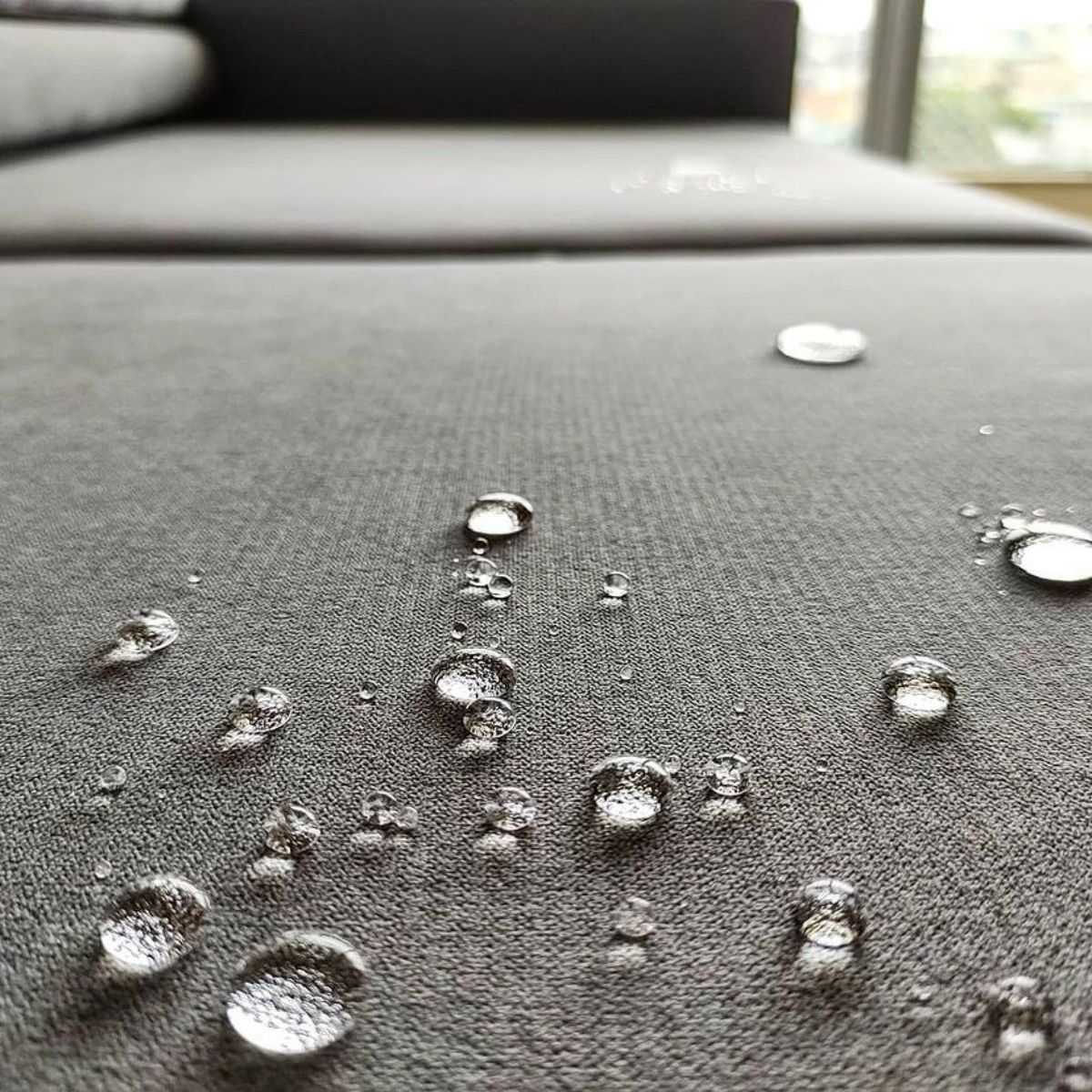
The result is a treated leather surface that actively repels liquids, oils, dirt, and stains before they can penetrate the material.
How Does It Actually Work?
When a professional applies nano protection to leather furniture, the nano-particles fill the microscopic pores and irregularities in the leather surface — creating a hydrophobic and oleophobic barrier. In plain terms, that means both water and oil-based substances bead up and roll off rather than soaking in.
Here's what that means in daily life in a Lebanese home:
- ☕ A coffee spill beads on the surface and wipes clean — instead of soaking into the leather and leaving a stain
- 🫒 Olive oil or food residue from the dinner table doesn't penetrate — it stays on the surface for easy removal
- 🌊 Humidity and moisture — significant factors in Lebanon's coastal climate — are actively repelled rather than absorbed into the leather
- 👶 Children's spills, sticky hands, and everyday contact leave no permanent mark
- 🐾 Pet contact and the oils from animal fur don't degrade the leather surface over time
The protection doesn't change how the leather looks or feels. It simply makes it dramatically more resistant to everything that shortens leather's lifespan.
Does Nano Protection Really Work on Leather?
Yes — with an important condition: it must be applied correctly, by professionals, to properly prepared leather.
This is where many DIY nano spray products fall short. Over-the-counter fabric protection sprays apply an uneven, superficial coating that wears off within weeks and doesn't achieve true molecular bonding. Professional-grade nano protection uses higher-concentration formulas applied with proper technique after a full leather cleaning and preparation process.
The difference in longevity and effectiveness is significant. Professional application typically lasts 12 to 24 months under normal use conditions — and the protection works consistently throughout that period rather than degrading from the first wash or spill.
Why Lebanese Homes Specifically Benefit from Nano Protection
Lebanon's environment puts leather furniture under pressures that many other climates don't:
Humidity is the single biggest enemy of leather in coastal Lebanese homes. Moisture absorption causes leather to soften, discolor, and eventually crack. Nano protection creates a moisture barrier that dramatically slows this process.
Heat and sun exposure in Lebanon's long summers accelerates leather drying and surface cracking — particularly near windows and on balconies. A properly nano-treated surface resists UV-related degradation more effectively than untreated leather.
Dust and pollution from Beirut's traffic and construction settle on every surface. On untreated leather, fine particles work into the grain and cause long-term dulling and surface wear. Fabric protection at the nano level keeps particles from bonding with the surface.
Daily life — families, children, guests, food — takes a harder toll on furniture in Lebanese homes where living rooms are genuinely lived in. Nano protection is the practical answer to keeping leather looking new despite heavy daily use.
What Types of Leather Can Be Nano-Protected?
Professional nano protection can be applied to most leather types found in Lebanese homes, including full-grain and top-grain leather sofas and armchairs, bonded leather furniture, leather dining chairs, leather headboards, and car interiors. It can also be extended to high-quality fabric upholstery — making it a versatile fabric protection solution for mixed-material furniture sets.
Not all leather types respond identically — which is exactly why professional assessment before application matters. Heavily worn, cracked, or previously treated leather may require conditioning or restoration before protection treatment can be applied effectively.
The Professional Nano Protection Process
When you book a professional nano protection treatment, here's what the process looks like:
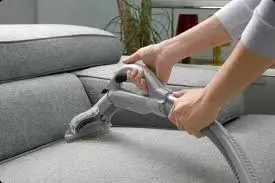
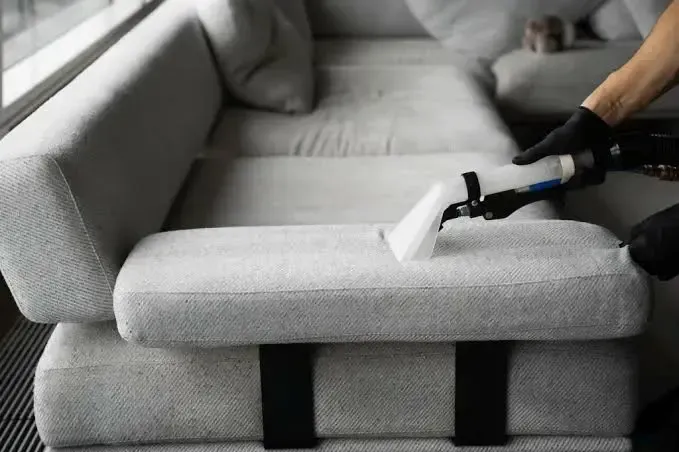
First, a full assessment of the leather's condition, type, and any existing treatments or damage. Next, a professional leather cleaning session — removing surface oils, dust, and residue that would prevent proper nano bonding. The nano protection formula is then applied evenly using professional equipment, ensuring complete surface coverage and proper penetration into the leather grain. A controlled curing period follows — allowing the nano barrier to bond fully before the surface is put back into use. Finally, the team conducts a post-application inspection to confirm full, even coverage.
The entire process is non-invasive, leaves no visible residue, and the leather is typically ready for normal use within a few hours.
How Long Does Nano Protection Last?
Under normal household conditions, professional nano protection on leather furniture lasts between 12 and 24 months. Factors that affect longevity include frequency of use, exposure to direct sunlight, cleaning methods used between professional treatments, and whether the leather is regularly conditioned.
To maintain the protection effectively, avoid harsh chemical cleaners on treated surfaces, wipe spills immediately rather than letting them sit, and use pH-neutral leather care products between professional treatments.
Red Flags When Choosing a Nano Protection Provider
- 🚩 No leather cleaning step before applying protection — nano bonding cannot work on a dirty surface
- 🚩 Use of generic over-the-counter spray products rather than professional-grade formulas
- 🚩 No assessment of leather type before treatment
- 🚩 Unrealistic claims — "permanent protection" or "lifetime guarantee" are not credible
- 🚩 No aftercare guidance provided following treatment
- 🚩 Significantly underpriced service with no explanation of process or products used
Conclusion
Nano protection for leather furniture is not a gimmick — it's a genuinely effective, professionally validated treatment that repels stains, resists moisture, and extends the life of leather significantly. In Lebanon's humid, dusty, high-use home environment, it's one of the smartest investments you can make for furniture that cost real money and deserves to last.
The key is professional application — proper leather preparation, high-grade formula, and correct technique make all the difference between protection that lasts two years and a spray that wears off in two weeks.
If your leather furniture hasn't been treated — or if it's been more than a year since its last nano protection session — now is the time.
📞 Contact us today for a free assessment. Our team will evaluate your leather furniture and recommend the right fabric protection treatment to keep it looking new for years to come.