
The Furniture Cleaning Mistake Almost Everyone Makes — And How to Stop Doing It
The One Habit That's Quietly Damaging Your Sofa Every Time You Clean It
There's a cleaning habit so common that most people don't even question it. The moment something spills on the sofa, or when the cushions start to look dull, the instinct is to grab whatever cleaning product is nearby — a household spray, a wet cloth, a stain remover — and scrub. It feels productive. It looks like it's working. And almost every time, it's making the problem worse.
في عادة تنظيف شائعة جداً لدرجة إنه معظم الناس ما بيسألوا عنها أبداً. بلحظة ما شي يسكب على الكنب، أو لما الوسادات تبدأ تبدو باهتة، الغريزة هي خطف أي منتج تنظيف قريب — بخاخ منزلي أو قماشة مبللة أو مزيل بقع — والحك. بيحس إنه إنتاجي. بيبدو إنه شاغل. وتقريباً كل مرة عم يفاقم المشكلة.
The Mistake: Treating the Surface Instead of the Source
The most universal furniture cleaning mistake isn't using the wrong product — though that's also a problem. It's the assumption that the visible part of a stain or problem is the whole problem. When liquid contacts upholstery fabric, it doesn't stop at the surface. Within seconds, it begins penetrating through the fabric weave into the padding beneath, and from there into the foam layer below that. By the time you're scrubbing the surface, you're addressing maybe 20 percent of where the liquid actually went.
أكتر غلطة furniture cleaning عالمية مش استخدام المنتج الغلط — رغم إنه هيدا أيضاً مشكلة. هي الافتراض إنه الجزء المرئي من البقعة أو المشكلة هو المشكلة كلها. لما سائل بيلمس قماش الكنب، ما بيوقف على السطح. بثوانٍ بيبدأ يخترق من خلال نسيج القماش للبطانة تحته، ومنها للطبقة الإسفنجية تحتها. بوقت ما عم تحك السطح، عم تعالج ربما 20 بالمئة من المكان اللي السائل راح فيه فعلاً.
Scrubbing the surface of a wet stain also does something most people don't anticipate: it spreads the stain laterally through the fabric fibers, enlarging the affected area and pushing the liquid deeper into the material. What started as a contained spill becomes a wider, deeper problem with every scrubbing motion. This is why a stain that seemed manageable when it happened ends up being significantly larger and more stubborn after cleaning attempts than it was at the moment of the spill.
حك سطح بقعة رطبة بيعمل أيضاً شيئاً معظم الناس ما بيتوقعوه: بينشر البقعة بشكل جانبي من خلال ألياف القماش، وبيوسع المنطقة المتأثرة وبيدفع السائل أعمق بالمادة. ما بدأ كسائل محصور بيصير مشكلة أوسع وأعمق مع كل حركة حك. هيدا سبب إنه بقعة بدت قابلة للإدارة لما صارت بتنتهي بكونها أكبر بكتير وأكتر عناداً بعد محاولات التنظيف مما كانت بلحظة السكب.
The Secondary Mistake: Using the Wrong Product Without Checking the Code
The second most common error in home تنظيف كنب is applying a cleaning product to a fabric without checking what the fabric's care code actually permits. Every upholstered piece of furniture carries a code — W, S, WS, or X — that specifies what cleaning method is safe. W means water-based products are safe. S means solvent only — water of any kind, including damp cloths, can cause permanent damage. WS means both are safe. X means vacuum only.
الغلطة الثانية الأكتر شيوعاً بـتنظيف كنب المنزلي هي تطبيق منتج تنظيف على قماش بدون فحص ما رمز عناية القماش بيسمح به فعلاً. كل قطعة كنب منجدة بتحمل رمز — W أو S أو WS أو X — بيحدد ما هي طريقة التنظيف الآمنة. W معناه المنتجات المائية آمنة. S معناه مذيب فقط — المي بأي شكل، بما فيه القماشات المبللة، ممكن يسبب ضرراً دائماً. WS معناه كلاهما آمن. X معناه مكنسة فقط.
Most people have never looked at this label. Most apply whatever is under the kitchen sink to whatever fabric is in front of them. On a W-coded sofa, a water-based product might achieve some surface result. On an S-coded velvet or silk-blend sofa, the same product can cause immediate, irreversible watermarking, color bleeding, or fabric distortion — damage that no amount of further cleaning will undo. The label takes ten seconds to find and read. The damage from ignoring it can be permanent.
معظم الناس ما نظروا على هيدا البطاقة أبداً. معظمهم بيطبقوا اللي تحت حوض المطبخ على أي قماش أمامهم. على كنبة برمز W، منتج مائي ممكن يحقق نتيجة سطحية. على كنبة مخمل أو خلط حرير برمز S، نفس المنتج ممكن يسبب فوراً علامات مي لا رجعة فيها أو نزيف لون أو تشويه قماش — ضرر لا يمكن لأي قدر من التنظيف الإضافي التراجع عنه. البطاقة تاخد عشر ثوانٍ للإيجاد والقراءة. الضرر من تجاهلها ممكن يكون دائم.
The Third Mistake: Over-Wetting and Under-Drying
Even when the right product is used on the right fabric, the amount of moisture applied and the drying process that follows are where many home cleaning attempts create secondary problems. Over-wetting upholstery — applying more moisture than the surface cleaning requires — pushes liquid into the foam beneath the fabric, where it sits in the warm, enclosed interior of the cushion. In humid environments, this residual moisture creates conditions for mold and bacterial growth inside the cushion that become apparent as persistent odor days or weeks after the cleaning — the classic case of a sofa that smells fine initially and then develops a musty smell that wasn't there before.
حتى لما المنتج الصحيح يُستخدم على القماش الصحيح، كمية الرطوبة المطبقة وعملية التجفيف اللي بتلي هي حيث كتير من محاولات التنظيف المنزلي بتخلق مشاكل ثانوية. الإفراط بترطيب الكنب — تطبيق رطوبة أكتر من ما التنظيف السطحي بيحتاج — بيدفع السائل للإسفنج تحت القماش، حيث بيقعد بالداخل الدافئ المغلق للوسادة. بالبيئات الرطبة، هيدي الرطوبة المتبقية بتخلق ظروفاً لنمو العفن والبكتيريا داخل الوسادة بتصير ظاهرة كريحة مستمرة أياماً أو أسابيع بعد التنظيف — الحالة الكلاسيكية لكنبة ريحتها كويس بالبداية وبعدين بتطور ريحة كتيمة ما كانت موجودة قبل.
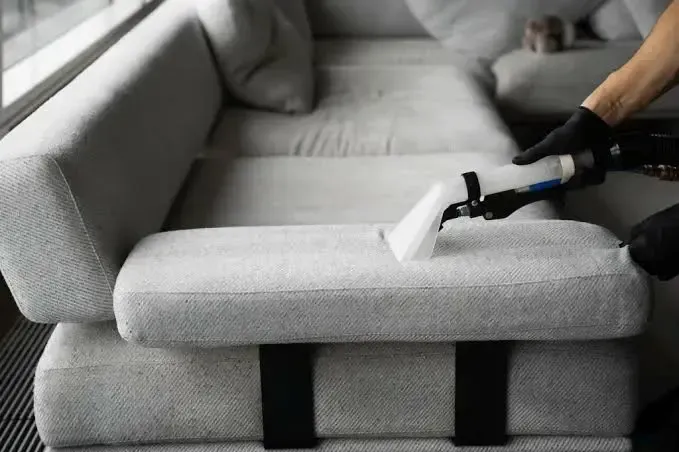
This is a problem that professional furniture steam cleaning is specifically designed to avoid. Steam introduces significantly less moisture than water-based cleaning methods while operating at temperatures that kill mold and bacteria rather than creating conditions for them. The simultaneous extraction of moisture during the steam process means the cushion is left significantly drier after professional treatment than after any water-based home cleaning approach — eliminating the residual moisture problem at its source rather than managing it after the fact.
هيدي مشكلة furniture steam cleaning الاحترافي مصمم خصيصاً لتجنبها. البخار بيقدم رطوبة أقل بكتير من طرق التنظيف المائية بينما بيعمل بدرجات حرارة بتقتل العفن والبكتيريا بدل خلق ظروف لهم. الاستخراج المتزامن للرطوبة خلال عملية البخار معناه إنه الوسادة بتُترك أجف بكتير بعد المعالجة الاحترافية من أي نهج تنظيف مائي منزلي — وبيلغي مشكلة الرطوبة المتبقية من مصدرها بدل إدارتها بعد الواقعة.
What to Do Instead — Right Now and Long Term
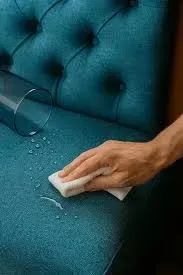
When a spill happens, the correct immediate response is blotting — not scrubbing. Press a clean, dry cloth firmly onto the spill and hold it there, allowing absorption rather than lateral spreading. Change cloths as they saturate and repeat. Never rub in any direction. If a product needs to be applied, apply it to the cloth first, not directly to the fabric, and in a minimal amount. Check the care code before anything touches the fabric surface, even water.
لما سائل يسكب، الاستجابة الفورية الصحيحة هي التنشيف — مش الحك. اضغط قماشة نظيفة جافة بقوة على السكب وثبتها هناك، مسموح بالامتصاص بدل الانتشار الجانبي. بدل القماشات لما تشبع وكرر. لا تحك أبداً بأي اتجاه. إذا منتج لازم يتطبق، طبقه على القماشة أولاً، مش مباشرة على القماش، وبكمية ضئيلة. افحص رمز العناية قبل ما أي شي يلمس سطح القماش، حتى الماء.
For the accumulated buildup that goes beyond what any immediate response addresses — the embedded allergens, the deep-set stains, the odors that have developed over months — professional treatment from a qualified upholstery and furniture cleaning company is the only method that genuinely reaches and removes what home cleaning approaches leave behind. A professional service assesses the fabric, identifies the correct treatment, and applies it with the right equipment and extraction — achieving results that blotting and household products structurally cannot replicate.
للتراكم المتراكم اللي بيتخطى ما أي استجابة فورية بتعالجه — الحساسيات المدفونة والبقع العميقة والروايح اللي تطورت على مدى أشهر — المعالجة الاحترافية من شركة upholstery and furniture cleaning company مؤهلة هي الطريقة الوحيدة اللي بتصل فعلاً وبتشيل ما نهج التنظيف المنزلي بيتركه. خدمة احترافية بتقيّم القماش وبتحدد المعالجة الصحيحة وبتطبقها بالمعدات والاستخراج المناسبين — محققةً نتائج التنشيف ومنتجات البيت ما بتقدر تحاكيها هيكلياً.
The Simplest Rule to Follow
The rule that prevents most furniture cleaning mistakes is simple: when in doubt, do less. The most common irreversible damage to upholstery comes not from neglect but from well-intentioned intervention — too much product, too much moisture, too much friction. Stop sooner than you think you need to, and call a professional تنظيف كنب service for anything beyond the immediate surface blot.
القاعدة اللي بتمنع معظم غلطات تنظيف الكنب بسيطة: عند الشك، افعل أقل. الضرر الذي لا يمكن التراجع عنه الأكتر شيوعاً للكنب مش من الإهمال بل من التدخل بنية حسنة — منتج أكتر من اللازم ورطوبة أكتر من اللازم واحتكاك أكتر من اللازم. توقف أبكر مما تعتقد إنك بحاجة، واتصل بخدمة تنظيف كنب احترافية لأي شي يتخطى التنشيف السطحي الفوري.
📞 Book your professional furniture cleaning session today — fix the mistake before it becomes permanent.