
Your Sofa and Your Skin: The Surprising Connection Between Furniture Cleanliness and Acne, Rashes, and Eczema
What's Living in Your Upholstery Could Be Showing Up on Your Face — And Your Body
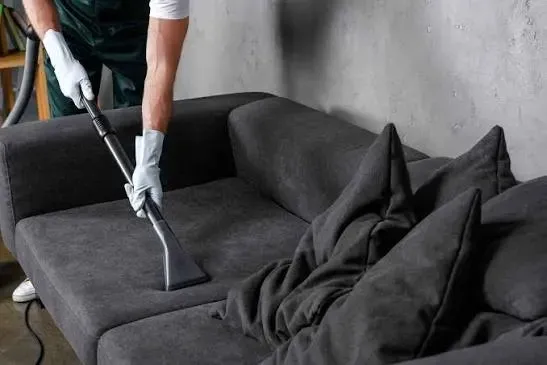
Most people don't connect their skin problems to their furniture. When acne flares, attention goes to skincare products, diet, and stress. When a rash appears on the arm or back of the neck, the instinct is to look at laundry detergent, clothing fabric, or allergens. When eczema worsens, the trigger search focuses on food, environment, or temperature change. What rarely enters the investigation is the surface a person spends several hours pressed against every day — the sofa. For people with skin conditions that worsen at home and improve when away, the furniture may be the source that no one has thought to check.
معظم الناس ما بيربطوا مشاكل جلدهم بأثاثهم. لما البثور تتفاقم، الانتباه بيروح لمنتجات العناية بالبشرة والغذاء والتوتر. لما طفح جلدي يظهر على الذراع أو خلف الرقبة، الغريزة هي النظر للمنظف، قماش الملابس، أو المواد المسببة للحساسية. لما الإكزيما تتفاقم، البحث عن المحفز بيركز على الأكل والبيئة أو تغير الحرارة. ما بيدخل نادراً للتحقيق هو السطح اللي الشخص بيقضي عدة ساعات ملصق فيه كل يوم — الكنب. للناس اللي عندهم مشاكل جلدية بتتفاقم بالبيت وبتتحسن لما بيكونوا بعيد، الأثاث ممكن يكون المصدر اللي ما حدا فكر بفحصه.
What Upholstery Accumulates That Affects Skin
Upholstered furniture accumulates a specific combination of materials over time that creates direct and indirect pathways to skin irritation and inflammation. The most significant are dust mite allergens, bacterial colonies, skin cell debris, body oil residue, and in humid climates, mold spores — all of which build in fabric fibers and foam layers with every hour of use.
الكنب المنجد بيتراكم فيه مزيج محدد من المواد بمرور الوقت بيخلق مسارات مباشرة وغير مباشرة للتهيج الجلدي والالتهاب. الأكثر أهمية هي حساسيات عث الغبار ومستعمرات البكتيريا وبقايا خلايا الجلد وبقايا زيت الجسم وبالمناخات الرطبة، جراثيم العفن — كلها بتتراكم بألياف القماش وطبقات الإسفنج مع كل ساعة استخدام.
Dust mite allergens — the waste particles from mites feeding on the shed skin cells that upholstery accumulates — are among the most well-documented triggers for atopic dermatitis and eczema flare-ups. The protein fragments Der p 1 and Der p 2 that mite waste contains don't just affect the respiratory system when inhaled — they also trigger immune responses when they contact skin directly, particularly in individuals with compromised skin barrier function. Someone with eczema who spends evenings on an allergen-laden sofa is potentially experiencing a repeated daily trigger from direct skin-to-fabric contact that their dermatologist has never identified because no one thought to ask about furniture.
حساسيات عث الغبار — جزيئات الفضلات من العث المتغذي على خلايا الجلد المتساقطة اللي الكنب بيتراكمها — هي من أكثر محفزات التهاب الجلد التأتبي ونوبات الإكزيما توثيقاً. جزيئات البروتين Der p 1 وDer p 2 اللي فضلات العث بتحتويها ما بتأثر بس على الجهاز التنفسي لما تُستنشق — هي أيضاً بتحفز استجابات مناعية لما بتلامس الجلد مباشرة، خاصةً عند الأفراد ذوي وظيفة الحاجز الجلدي المضطربة. شخص عنده إكزيما بيقضي الأمسيات على كنبة محملة بالحساسيات ممكن يختبر محفزاً يومياً متكرراً من التلامس المباشر بين الجلد والقماش طبيب الجلدية الخاص به لم يحدده أبداً لأن ما حدا فكر يسأل عن الأثاث.
Bacterial contamination of upholstery is a more direct acne trigger. Propionibacterium acnes — the bacteria most associated with inflammatory acne — thrives in the warm, sebum-rich environment that body contact areas of upholstery provide. When someone with acne-prone skin rests their face, neck, or arms on sofa surfaces that have accumulated bacterial loads from previous contact, they're introducing or reintroducing the bacteria responsible for their breakouts from a source they've never associated with the problem. This is particularly relevant for the pattern of acne that's concentrated on the cheeks, jawline, and neck — the areas that most commonly contact upholstered furniture surfaces during relaxed sitting or lying positions.
التلوث البكتيري للكنب هو محفز حب شباب أكثر مباشرة. بروبيونيباكتيريوم أكنيس — البكتيريا الأكثر ارتباطاً بحب الشباب الالتهابي — بتتكاثر بالبيئة الدافئة الغنية بالزهم اللي مناطق تلامس الجسم بالكنب بتوفرها. لما شخص عنده بشرة عرضة لحب الشباب يضع وجهه أو رقبته أو ذراعيه على أسطح كنب تراكمت فيها أحمال بكتيرية من تلامس سابق، بيقدم أو يعيد تقديم البكتيريا المسؤولة عن نوباته من مصدر لم يربطه بالمشكلة أبداً. هيدا ذو صلة بشكل خاص لنمط حب الشباب المتمركز على الخدود وخط الفك والرقبة — المناطق اللي بتلامس أكثر أسطح الكنب المنجد شيوعاً خلال أوضاع الجلوس أو الاستلقاء المريحة.
The Body Oil and Residue Cycle
Every time skin contacts upholstery, it deposits a thin layer of body oil, sweat residue, and shed skin cells onto the fabric surface. Over time this builds into a layer that creates two problems for skin health. First, when skin contacts this accumulated residue during subsequent sitting sessions, it absorbs back some of what was deposited previously — including the oxidized sebum and bacterial content that has developed in the residue layer between contacts. Second, the residue layer changes the surface chemistry of the fabric in a way that increases its ability to trap and hold new deposits, accelerating the accumulation rate over time.
كل مرة الجلد يلمس الكنب، بيودع طبقة رقيقة من زيت الجسم وبقايا العرق وخلايا الجلد المتساقطة على سطح القماش. بمرور الوقت هيدا بيتراكم لطبقة بتخلق مشكلتين لصحة البشرة. أولاً، لما الجلد يلمس هيكل البقايا المتراكمة خلال جلسات الجلوس اللاحقة، بيمتص بعضاً مما أُودع سابقاً — بما فيه الزهم المؤكسد والمحتوى البكتيري اللي تطور بطبقة البقايا بين التلامسات. ثانياً، طبقة البقايا بتغير الكيمياء السطحية للقماش بطريقة بتزيد قدرته على حبس البقايا الجديدة والإمساك بها، مما يسرع معدل التراكم بمرور الوقت.
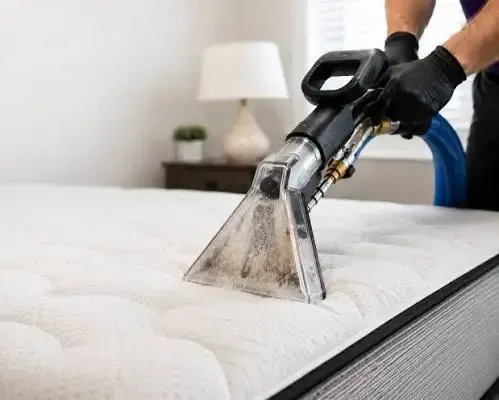
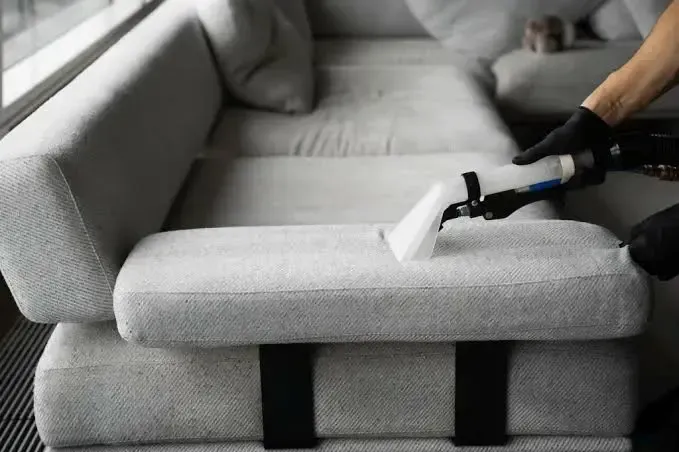
For people who already struggle with oily or combination skin, this recontamination cycle from upholstery surfaces can undermine even a consistent skincare routine — because the skincare addresses the skin while leaving the furniture source untouched. Professional furniture cleaning breaks this cycle by removing the accumulated residue layer entirely, resetting the surface chemistry of the fabric, and eliminating the biological content that turns the sofa from a neutral surface into an active skin irritant.
للناس اللي بيعانون بالفعل من بشرة دهنية أو مختلطة، هيكل دورة إعادة التلوث من أسطح الكنب ممكن تقوّض حتى روتين عناية بالبشرة متسق — لأن العناية بالبشرة بتعالج الجلد بينما بتترك مصدر الأثاث بدون لمس. furniture cleaning الاحترافي بيكسر هيكل الدورة بإزالة طبقة البقايا المتراكمة بالكامل وإعادة ضبط الكيمياء السطحية للقماش وإزالة المحتوى البيولوجي اللي بيحوّل الكنب من سطح محايد لمهيج جلدي نشط.
Mold Spores and Contact Dermatitis
In Lebanese homes where humidity is consistently high through much of the year, mold growth inside upholstery foam is a genuine risk that most households don't detect until it becomes visible — and visible mold on furniture usually represents a significantly more extensive internal colonization. Mold spores contact with skin is a documented cause of contact dermatitis — producing redness, itching, and raised patches that are difficult to distinguish from other forms of skin irritation without knowing the source. A person who regularly develops itching or rash on the backs of thighs, arms, or wherever prolonged skin-to-fabric contact occurs, who has tried multiple topical treatments without lasting improvement, may be experiencing a mold contact reaction from furniture that hasn't been professionally cleaned in a significant period.
بالبيوت اللبنانية حيث الرطوبة عالية باستمرار طوال معظم السنة، نمو العفن داخل إسفنج الكنب هو خطر حقيقي معظم البيوت ما بيكتشفونه حتى يصبح مرئياً — والعفن المرئي على الأثاث عادةً بيمثل استعماراً داخلياً أكثر شمولاً بكتير. تلامس جراثيم العفن مع الجلد هو سبب موثق لالتهاب الجلد التماسي — بينتج احمراراً وحكاً وبقعاً مرتفعة يصعب تمييزها عن أشكال أخرى من التهيج الجلدي بدون معرفة المصدر. شخص بيتطور عنده بانتظام حكة أو طفح جلدي على ظهور الفخذين أو الذراعين أو أي مكان تلامس جلد مع قماش لفترة مطولة، جرّب علاجات موضعية متعددة بدون تحسن دائم، ممكن يختبر تفاعل تماس عفن من أثاث لم ينظف احترافياً لفترة طويلة.
The Connection Most Skincare Routines Miss
The practical implication of all of this for anyone dealing with persistent skin problems that haven't fully resolved despite proper skincare is straightforward: consider the furniture. A professional furniture cleaning session that removes the dust mite allergens, bacterial load, body oil residue, and mold content from upholstered surfaces doesn't replace dermatological treatment, but it removes a potential daily trigger source that skincare alone cannot address — and that in many cases has been quietly contributing to the problem without ever being identified as relevant.
التداعية العملية لكل هيدا لأي شخص يتعامل مع مشاكل جلدية مستمرة لم تحل بشكل كامل رغم العناية الصحيحة بالبشرة بسيطة: فكر بالأثاث. جلسة furniture cleaning الاحترافية اللي بتشيل حساسيات عث الغبار والحمل البكتيري وبقايا زيت الجسم ومحتوى العفن من الأسطح المنجدة ما بتحل محل العلاج الجلدي، لكنها بتشيل مصدر محفز يومي محتمل العناية بالبشرة وحدها ما بتقدر معالجته — واللي بكتير من الحالات كان يساهم بهدوء بالمشكلة بدون تحديده كذي صلة.
For households where someone is managing eczema, acne, or contact dermatitis, including regular professional furniture cleaning in the overall management approach is worth the same consideration as any topical treatment or dietary adjustment — because the source of the problem matters as much as the treatment of its symptoms.
للبيوت حيث شخص يدير إكزيما أو حب شباب أو التهاب جلد تماسي، إدراج furniture cleaning الاحترافي المنتظم بالنهج الإداري الكلي يستاهل نفس الاعتبار كأي علاج موضعي أو تعديل غذائي — لأن مصدر المشكلة بالأهمية نفسها لعلاج أعراضها.
📞 Book your professional furniture cleaning session today — address the source your skincare routine can't reach.