
How to Clean Microfiber Sofas Without Ruining Them — What Professionals Actually Do
The Method That Gets Microfiber Genuinely Clean Without the Watermarks, Stiffness, or Damage
Microfiber sofas have become one of the most popular upholstery choices for Lebanese homes — and for good reasons. They're soft, they look good in a wide range of interior styles, and they're marketed as easy to clean. That last point is where most owners discover a problem: microfiber is not forgiving of the wrong cleaning approach, and the damage caused by incorrect treatment — water rings, stiffened texture, color change, and permanent fiber distortion — is often irreversible. What professionals do differently isn't complicated, but it requires understanding how microfiber actually works before anything touches the fabric.
كنب الميكروفايبر أصبح من أكثر خيارات الكنب شعبية بالبيوت اللبنانية — ولأسباب وجيهة. ناعم ويبدو جميل بمجموعة واسعة من أساليب التصميم الداخلي، ومُسوَّق كسهل التنظيف. هيدي النقطة الأخيرة هي حيث معظم الأصحاب بيكتشفوا مشكلة: الميكروفايبر مش متسامح مع النهج الغلط للتنظيف، والضرر الناتج عن المعالجة الخاطئة — حلقات الماء والملمس الجامد وتغيير اللون والتشويه الدائم للألياف — غالباً لا يمكن عكسه. ما يعمله المحترفون بشكل مختلف مش معقد، بس يحتاج فهم كيف الميكروفايبر بيشتغل فعلاً قبل ما أي شي يلمس القماش.
Why Microfiber Behaves Differently From Other Upholstery Fabrics
Microfiber is a synthetic fabric made from extremely fine polyester and nylon fibers — typically less than one denier in diameter, which is finer than a strand of silk. The cleaning properties that make microfiber effective as a cleaning cloth — the ability of its fine fibers to trap and hold particles rather than pushing them around — are the same properties that make it sensitive to cleaning errors when it's used as upholstery fabric.
الميكروفايبر هو قماش اصطناعي مصنوع من ألياف بولييستر ونايلون رفيعة جداً — عادةً أقل من دينيير واحد بالقطر، وهو أرفع من خيط الحرير. الخصائص التنظيفية اللي بتجعل الميكروفايبر فعالاً كقماشة تنظيف — قدرة ألياف الدقيقة على حبس الجزيئات والإمساك بها بدل دفعها للجانب — هي نفس الخصائص اللي بتجعله حساساً لأخطاء التنظيف لما يُستخدم كقماش كنب.
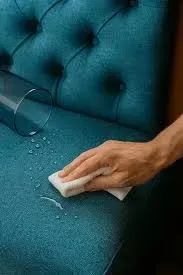
When water is applied to microfiber upholstery incorrectly — too much of it, or without proper extraction — the fine fiber structure absorbs and traps the water along with any dissolved minerals it contains. As the fabric dries, those minerals are deposited in a ring pattern at the perimeter of the wet area, creating the characteristic water ring that microfiber owners recognize immediately. Scrubbing wet microfiber compresses and distorts the fiber structure, creating areas of different texture and light reflectivity that appear as permanent marks even after the fabric has dried. This is why the standard advice for microfiber — "use a damp cloth" — produces results that are often worse than the original problem.
لما الماء يُطبق على كنب الميكروفايبر بشكل خاطئ — كمية كبيرة منه، أو بدون استخراج صحيح — البنية الليفية الدقيقة بتمتص الماء وبتحبسه مع أي معادن مذابة يحتويها. لما القماش يجف، هيكل المعادن بتترسب بنمط حلقة على محيط المنطقة المبللة، مما يخلق حلقة الماء المميزة اللي أصحاب الميكروفايبر بيتعرفوا عليها فوراً. حك الميكروفايبر المبلل بيضغط ويشوه بنية الألياف، مما يخلق مناطق بملمس وانعكاسية ضوئية مختلفة تبدو كعلامات دائمة حتى بعد جفاف القماش. هيدا سبب إنه النصيحة القياسية للميكروفايبر — "استخدم قماشة مبللة" — بتنتج نتائج غالباً أسوأ من المشكلة الأصلية.
The Care Code: The First Thing Professionals Check
Before touching any microfiber sofa, a professional upholstery and furniture cleaning company checks the care code — the letter designation on the fabric label that specifies what cleaning method the manufacturer permits. Microfiber sofas typically carry one of three codes: W (water-based cleaning is safe), S (solvent-based cleaning only — water will cause damage), or WS (both methods are safe). A significant proportion of microfiber sofas carry an S code — which means that any water-based product, including damp cloths, will cause the water ring and texture distortion that most owners experience after home cleaning attempts.
قبل لمس أي كنب ميكروفايبر، شركة upholstery and furniture cleaning company احترافية بتفحص رمز العناية — التسمية الحرفية على بطاقة القماش اللي بتحدد ما طريقة التنظيف اللي الصانع يسمح بها. كنب الميكروفايبر عادةً بيحمل واحداً من ثلاثة رموز: W (التنظيف المائي آمن)، أو S (تنظيف بالمذيب فقط — الماء بيسبب ضرراً)، أو WS (كلا الطريقتين آمنتان). نسبة كبيرة من كنب الميكروفايبر بتحمل رمز S — وهيدا معناه إنه أي منتج مائي، بما فيه القماشات المبللة، بيسبب حلقة الماء وتشويه الملمس اللي معظم الأصحاب بيختبرونه بعد محاولات التنظيف المنزلي.
This single check — which takes ten seconds — is the most important step that separates professional furniture cleaning from home attempts. Using a water-based product on an S-coded microfiber sofa is the most common cause of permanent microfiber damage, and it happens almost universally in home cleaning situations where the code is never consulted.
هيدا الفحص الواحد — اللي بياخد عشر ثوانٍ — هو أهم خطوة بتفرق furniture cleaning الاحترافي عن المحاولات المنزلية. استخدام منتج مائي على كنب ميكروفايبر برمز S هو السبب الأكثر شيوعاً للضرر الدائم للميكروفايبر، ويحدث بشكل شبه عالمي بمواقف التنظيف المنزلي حيث الرمز لا يُستشار أبداً.
How Professional Treatment Differs by Code
For S-coded microfiber, professional treatment uses dry solvent-based cleaning compounds that dissolve and lift soiling from the fiber structure without introducing any moisture. The compound is applied, worked into the fiber with a soft brush to ensure even penetration, and then extracted along with the dissolved soil. No water contacts the fabric at any point. The result is a genuinely clean surface with no water rings, no texture distortion, and no fiber compression — because the cleaning mechanism never required the fabric to absorb and release moisture.
لميكروفايبر برمز S، المعالجة الاحترافية بتستخدم مركبات تنظيف جافة قائمة على المذيب بتذيب وترفع التسخيخ من بنية الألياف بدون إدخال أي رطوبة. المركب يُطبق ويُشتغل بالألياف بفرشة ناعمة لضمان اختراق متساوٍ، وبعدين يُستخرج مع التسخيخ المذاب. لا ماء بيلمس القماش في أي نقطة. النتيجة هي سطح نظيف فعلاً بدون حلقات ماء ولا تشويه ملمس ولا ضغط ألياف — لأن آلية التنظيف ما احتاجت أبداً للقماش ليمتص ويطلق الرطوبة.
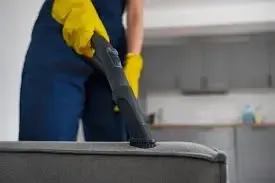
For W or WS-coded microfiber, professional furniture steam cleaning is applicable but requires careful technique that differs significantly from steam treatment of other upholstery types. The steam temperature is moderated, the nozzle movement is faster than for standard fabrics to prevent heat concentration, and crucially, the steam is accompanied by immediate high-powered extraction — removing the moisture from the fiber structure as fast as it's introduced. This prevents the fiber saturation that causes water rings and texture change by ensuring the fabric never reaches the moisture level at which these problems develop.
لميكروفايبر برمز W أو WS، furniture steam cleaning الاحترافي قابل للتطبيق لكنه يتطلب تقنية دقيقة تختلف بشكل ملحوظ عن معالجة البخار لأنواع الكنب الأخرى. درجة حرارة البخار معتدلة، وحركة الفوهة أسرع من الأقمشة العادية لمنع تركيز الحرارة، والأهم، البخار مصحوب باستخراج فوري عالي القوة — يشيل الرطوبة من بنية الألياف بنفس سرعة إدخالها. هيدا بيمنع تشبع الألياف اللي بيسبب حلقات الماء وتغيير الملمس بضمان إنه القماش لا يصل أبداً لمستوى الرطوبة اللي هيكل المشاكل بتتطور عنده.
The Brushing Step That Most Home Cleaners Skip
One of the most distinctive elements of professional microfiber تنظيف كنب is the post-cleaning brushing step — using a soft upholstery brush to restore the fiber direction and nap of the fabric after treatment. Microfiber develops a flattened, matted appearance in high-use areas from the physical pressure of sitting — and cleaning alone doesn't address this. Systematic brushing in one direction restores the fiber orientation, which returns the fabric to an even texture and consistent color appearance across the entire surface. This is the step that makes a professionally cleaned microfiber sofa look genuinely restored rather than just stain-free.
من أكثر العناصر المميزة لـتنظيف كنب الميكروفايبر الاحترافي هي خطوة الفرشة بعد التنظيف — باستخدام فرشة كنب ناعمة لاستعادة اتجاه الألياف ونسيج القماش بعد المعالجة. الميكروفايبر بيطور مظهراً مفرطحاً ومتلبداً بالمناطق الأكثر استخداماً من الضغط الجسدي للجلوس — والتنظيف وحده ما بيعالج هيدا. الفرشة المنهجية باتجاه واحد بتعيد توجيه الألياف، مما يعيد القماش لملمس متساوٍ ومظهر لون متسق عبر كامل السطح. هيدي هي الخطوة اللي بتجعل كنب الميكروفايبر المنظف احترافياً يبدو مُرمَّماً فعلاً بدل كونه خالياً من البقع فقط.
What Home Cleaning Attempts Typically Produce
The most common outcome of home microfiber furniture cleaning attempts — particularly on S-coded fabric — is a sofa that looks worse after cleaning than before. Water rings appear where the damp cloth was applied. The texture becomes stiff or uneven in treated areas. The color appears patchy. And in cases where scrubbing was used, the fiber compression creates shiny spots that reflect light differently from the surrounding areas and never fully disappear. These outcomes aren't a product of poor intention — they're a product of applying the wrong method to a fabric that doesn't tolerate the margin for error that more forgiving upholstery types provide.
النتيجة الأكثر شيوعاً لمحاولات furniture cleaning المنزلية للميكروفايبر — خاصة على القماش برمز S — هي كنبة تبدو أسوأ بعد التنظيف من قبل. حلقات الماء بتظهر حيث القماشة المبللة طُبقت. الملمس بيصبح جامداً أو غير متساوٍ بالمناطق المعالجة. اللون يبدو متفاوتاً. وبالحالات اللي استخدم فيها الحك، ضغط الألياف بيخلق بقع لامعة بتعكس الضوء بشكل مختلف من المناطق المحيطة ولا بتختفي بالكامل أبداً. هيكل النتائج مش نتاج نية سيئة — هي نتاج تطبيق الطريقة الغلط على قماش لا يتحمل هامش الخطأ اللي أنواع الكنب الأكثر تسامحاً بتوفره.
The professional difference is simply knowing the code, selecting the correct method for that code, applying it with the right technique and extraction, and completing the process with the restoration brushing that returns the fabric to its intended appearance. None of this is achievable at home — not because it requires extraordinary skill, but because it requires professional products, professional equipment, and the experience to combine them correctly for each specific fabric situation.
الفرق الاحترافي هو ببساطة معرفة الرمز واختيار الطريقة الصحيحة لهيكل الرمز وتطبيقها بالتقنية والاستخراج الصحيحين وإكمال العملية بفرشة الترميم اللي بتعيد القماش لمظهره المقصود. لا شيء من هيدا قابل للتحقيق بالبيت — مش لأنه يتطلب مهارة استثنائية، بل لأنه يتطلب منتجات احترافية ومعدات احترافية وخبرة لجمعهم بشكل صحيح لكل وضع قماش محدد.
📞 Book your professional furniture cleaning session today — microfiber done right, the first time.