
Cross-Contamination in Your Own Home: The Hidden Risk Most Cleaning Routines Create
How the Way You Clean Could Be Making Your Home Less Safe — And What to Do About It
Most households clean with the intention of making their home safer and more hygienic. What most people don't realize is that the way they clean — the sequence, the tools, the products, and the movement through the home — can actively spread bacteria and pathogens from one surface to another, ending up with a home that has been cleaned but not made safer. This is cross-contamination, and it happens in most households every time they clean without a system designed to prevent it.
معظم البيوت بتنظف بنية جعل بيتها أآمن وأكثر صحة. ما معظم الناس بيدركوه هو إنه طريقة التنظيف — التسلسل والأدوات والمنتجات والتنقل عبر البيت — ممكن تنشر البكتيريا ومسببات الأمراض بنشاط من سطح لآخر، وبينتهي الأمر ببيت نُظِّف بس لم يُجعل أآمن. هيدا هو التلوث المتقاطع، وبيحدث بمعظم البيوت كل مرة بينظفوا بدون نظام مصمم لمنعه.
How Cross-Contamination Actually Happens
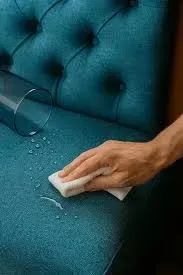
The most common cross-contamination pathway in household cleaning starts with the cleaning cloth itself. A single cloth used to wipe the bathroom sink is loaded with the bacteria present on that surface — then used to wipe the bathroom door handle, which transfers that bacterial load to a high-touch surface that is contacted by every person in the household multiple times daily. The same cloth, rinsed and reused in the kitchen, transfers bathroom bacteria to food preparation surfaces. Rinsing a cloth with water reduces the visible dirt it carries — it does not meaningfully reduce the bacterial load, which requires temperature or chemical treatment to address.
أكثر مسار شائع للتلوث المتقاطع بالتنظيف المنزلي بيبدأ بقماشة التنظيف نفسها. قماشة واحدة مستخدمة لمسح حوض الحمام محملة بالبكتيريا الموجودة على هيدا السطح — بعدين تُستخدم لمسح مقبض باب الحمام، مما ينقل هيدا الحمل البكتيري لسطح عالي التلامس يلمسه كل شخص بالبيت عدة مرات يومياً. نفس القماشة، مشطوفة ومعاد استخدامها بالمطبخ، بتنقل بكتيريا الحمام لأسطح تحضير الأكل. شطف قماشة بالماء بيقلل الوسخ المرئي اللي بتحمله — ما بيقلل بشكل ذي معنى الحمل البكتيري، اللي يحتاج معالجة بالحرارة أو الكيماويات لمعالجته.
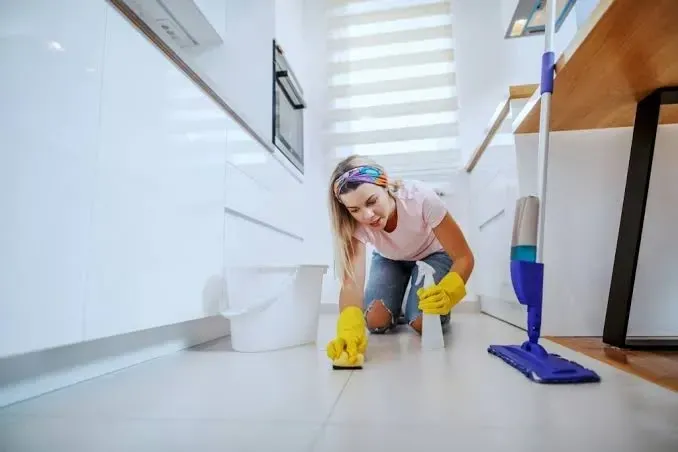
The second major pathway is the mop. A single mop used across all floors in the home — starting in the kitchen, moving through living areas, and finishing in the bathroom — progressively concentrates the bacterial loads from each room and distributes them across all subsequent surfaces mopped. Bathroom floor bacteria end up on kitchen floors. Toilet proximity contamination ends up in children's play areas. The mop rinse bucket compounds this by creating a single reservoir of contaminated water that the mop is repeatedly reintroduced to.
المسار الرئيسي الثاني هو الممسحة. ممسحة واحدة مستخدمة عبر كل الأرضيات بالبيت — بادئة بالمطبخ، منتقلة عبر مناطق المعيشة، ومنتهية بالحمام — بتركز تدريجياً الأحمال البكتيرية من كل غرفة وبتوزعها عبر كل الأسطح اللاحقة الممسوحة. بكتيريا أرضية الحمام بتنتهي على أرضيات المطبخ. تلوث قرب المرحاض بينتهي بمناطق لعب الأطفال. دلو شطف الممسحة بيضاعف هيدا بخلق خزان واحد من الماء الملوث الممسحة بتُعاد إدخالها إليه مراراً.
The Sequence Problem
Even when clean cloths and tools are used, cleaning in the wrong sequence actively undoes the work being done. Cleaning floors before surfaces means that debris and bacteria wiped from surfaces during cleaning fall onto already-cleaned floors, requiring them to be cleaned again to achieve a genuinely clean state — which most cleaning routines don't do. Cleaning toilets and then touching door handles, light switches, and cabinet handles without changing gloves or washing hands transfers toilet-zone contamination throughout the bathroom and into adjacent rooms.
حتى لما قماشات وأدوات نظيفة تُستخدم، التنظيف بالتسلسل الغلط بيتراجع بنشاط عن العمل المنجز. تنظيف الأرضيات قبل الأسطح معناه إنه الحطام والبكتيريا الممسوحة من الأسطح خلال التنظيف بتسقط على أرضيات منظفة بالفعل، مما يتطلب تنظيفها مجدداً لتحقيق حالة نظيفة فعلاً — وهيدا معظم روتين التنظيف ما بيعمله. تنظيف المراحيض وبعدين لمس مقابض الأبواب ومفاتيح الإضاءة ومقابض الخزانات بدون تغيير القفازات أو غسيل اليدين بينقل تلوث منطقة المرحاض عبر الحمام وللغرف المجاورة.
Professional deep cleaning addresses sequence as a core discipline — not as a preference. The correct sequence runs from cleaner to dirtier (so that cleaning tools don't carry contamination backward into areas already treated), from high to low (so that gravity-falling debris from upper surfaces is addressed when lower surfaces are cleaned), and from back to front within each room (so that the cleaner doesn't walk across cleaned areas). This systematic approach is what distinguishes a professional full house cleaning from a domestic routine that cleans everything without making everything cleaner.
deep cleaning الاحترافي بيعالج التسلسل كانضباط أساسي — مش كتفضيل. التسلسل الصحيح بيسير من الأنظف للأوسخ (لكي لا تحمل أدوات التنظيف التلوث للخلف للمناطق المعالجة بالفعل)، ومن الأعلى للأسفل (لكي يُعالج الحطام الساقط بالجاذبية من الأسطح العلوية لما الأسطح الأدنى تُنظَّف)، ومن الخلف للأمام داخل كل غرفة (لكي المنظِّف ما يمشي عبر المناطق المنظفة). هيدا النهج المنهجي هو ما يميز full house cleaning الاحترافي عن الروتين المنزلي اللي بينظف كل شيء بدون جعل كل شيء أنظف.
The Tool Color-Coding System
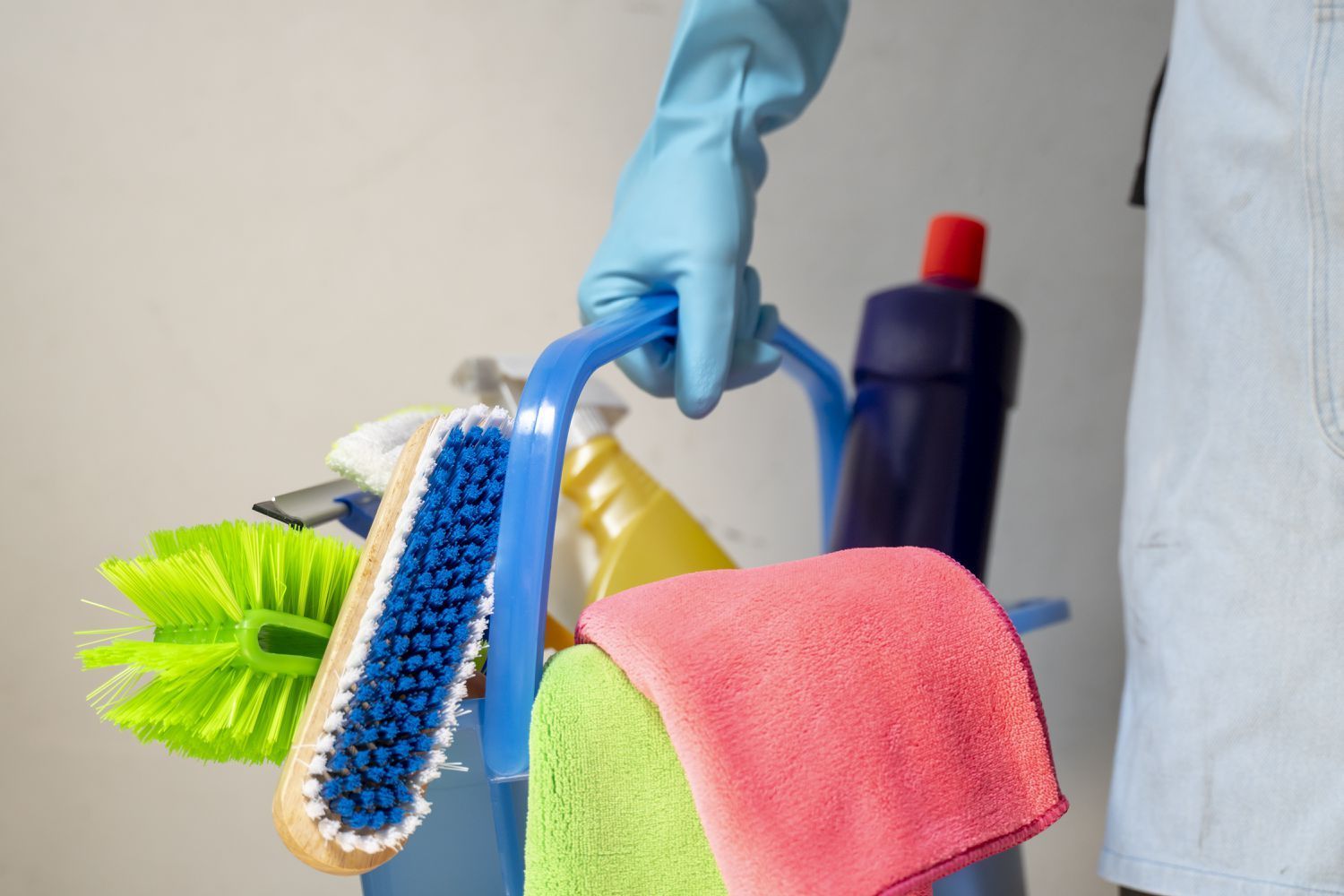
One of the simplest and most effective cross-contamination prevention systems used by professional cleaning teams is color-coded equipment — and it's something that households can implement themselves between professional visits. Different cloth colors are designated for different zones: one color exclusively for bathroom surfaces, another for kitchen surfaces, another for general living areas. Under no circumstances does a cloth from one zone contact surfaces in another zone. The same principle applies to mop heads where separate mop heads are used for bathroom floors and kitchen or living area floors.
من أبسط وأكثر أنظمة منع التلوث المتقاطع فعالية المستخدمة من فرق التنظيف الاحترافية هو المعدات ذات الترميز اللوني — وهو شيء البيوت بتقدر تطبقه بنفسها بين الزيارات الاحترافية. ألوان قماش مختلفة مخصصة لمناطق مختلفة: لون واحد حصراً لأسطح الحمام، آخر لأسطح المطبخ، آخر لمناطق المعيشة العامة. تحت أي ظرف ما قماشة من منطقة تلمس أسطح بمنطقة أخرى. نفس المبدأ ينطبق على رؤوس الممسحة حيث رؤوس ممسحة منفصلة تُستخدم لأرضيات الحمام وأرضيات المطبخ أو مناطق المعيشة.
A professional team deep cleaning session uses this system as standard — each team member operates within assigned zones with dedicated equipment, and the cleaning protocol prevents any cross-zone tool transfer throughout the session. The result is a home where each area has been cleaned with equipment that has contacted only that area's contamination profile — rather than accumulating and redistributing contamination from every room in the home.
جلسة team deep cleaning الاحترافية بتستخدم هيدا النظام كأمر قياسي — كل فرد من الفريق بيعمل ضمن مناطق محددة بمعدات مخصصة، وبروتوكول التنظيف يمنع أي نقل أداة عبر المناطق طوال الجلسة. النتيجة هي بيت حيث كل منطقة نُظِّفت بمعدات لامست فقط ملف تلوث تلك المنطقة — بدل تراكم وإعادة توزيع التلوث من كل غرفة بالبيت.
Why Deep Cleaning Resets What Regular Cleaning Spreads
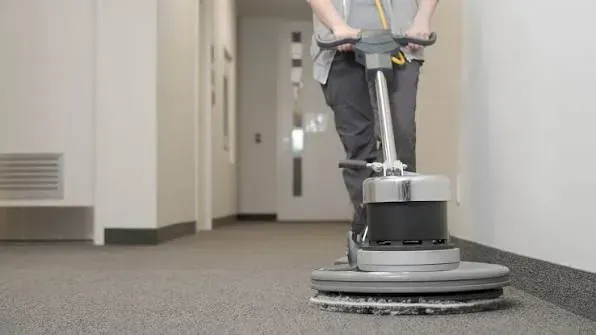
There's a specific role for professional deep cleaning in addressing cross-contamination that regular cleaning can't fulfill: resetting the baseline. Regular cleaning routines, even when improved with better tools and sequencing, work on top of an existing contamination layer that has built up through repeated cross-contamination events over months. Deep cleaning strips that layer back to genuine surface cleanliness — treating the grout lines, fixture bases, door handle surrounds, light switch plates, and all the surfaces that carry the highest accumulated cross-contamination load but are never specifically addressed in routine cleaning.
في دور محدد لـdeep cleaning الاحترافي بمعالجة التلوث المتقاطع لا يمكن للتنظيف المنتظم تحقيقه: إعادة ضبط المستوى الأساسي. روتين التنظيف المنتظم، حتى لما يُحسَّن بأدوات وتسلسل أفضل، يعمل فوق طبقة تلوث موجودة تراكمت من خلال أحداث تلوث متقاطع متكررة على مدى أشهر. التنظيف العميق بيقشر هيكل الطبقة للوصول لنظافة سطحية حقيقية — معالجة خلل البلاط وقواعد التجهيزات ومحيطات مقابض الأبواب وألواح مفاتيح الإضاءة وكل الأسطح اللي بتحمل أعلى حمل تلوث متقاطع متراكم بس لا تُعالَج بشكل محدد بالتنظيف الروتيني.
For households that have been following a regular cleaning routine without a cross-contamination prevention system, the accumulated bacterial load on these surfaces is typically significantly higher than expected — not because of poor hygiene intention, but because the cleaning method has been redistributing rather than removing contamination. A professional full house cleaning with correct sequencing, zone-specific equipment, and surface-level treatment resets this to a state where the regular routine that follows is actually maintaining cleanliness rather than managing its accumulation.
للبيوت اللي كانت تتبع روتين تنظيف منتظم بدون نظام منع التلوث المتقاطع، الحمل البكتيري المتراكم على هالأسطح عادةً أعلى بكتير من المتوقع — مش بسبب سوء نية النظافة، بل لأن طريقة التنظيف كانت تعيد توزيع التلوث بدل إزالته. full house cleaning الاحترافي بالتسلسل الصحيح والمعدات الخاصة بالمنطقة والمعالجة على مستوى السطح بيعيد هيدا لحالة التنظيف الروتيني اللي يتبعه بيحافظ فعلاً على النظافة بدل إدارة تراكمها.
📞 Book your professional deep cleaning session today — clean the right way, not just the regular way.