
Why Do Clean Windows Get Dirty Again So Quickly? The Real Causes Explained
What's Actually Happening to Your Glass — And How to Make Clean Last Longer
You had the windows cleaned. They looked genuinely clear — the kind of clear where the glass almost disappears and the view outside becomes the whole wall. Then two weeks later, you noticed the haze coming back. A month later, you're wondering why you bothered. This experience is almost universal, and most people blame it on weather, dust, or just the nature of windows. But the real causes are more specific than that — and once you understand them, you can do something about them.
نظّفت الشبابيك. بدوا واضحين فعلاً — النوع من الوضوح اللي الزجاج بيختفي فيه تقريباً والمنظر من الخارج بيصير الجدار كله. وبعدين بعد أسبوعين لاحظت الضباب عم يرجع. بعد شهر صرت بتتساءل ليش عملت هيدا بالأساس. هيكل التجربة شبه عالمية، ومعظم الناس بيلوموا الجو أو الغبار أو طبيعة الشبابيك. بس الأسباب الحقيقية أكثر تحديداً من هيدا — وبمجرد ما تفهمها بتقدر تعمل شيئاً حياله.
Cause One: Residue From Incomplete Cleaning
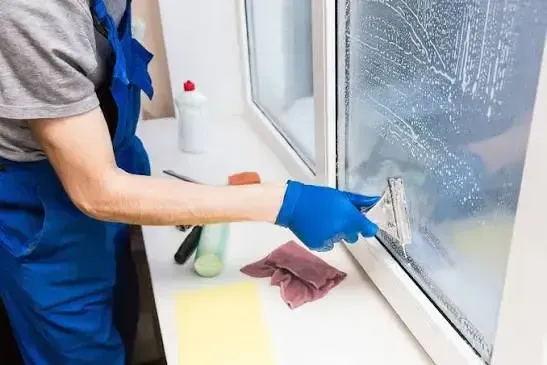
The most immediate reason windows get dirty again quickly is the previous clean wasn't complete. Cleaning product residue left on the glass — from insufficient rinsing, from cloth redistribution rather than extraction, or from poor squeegee technique — creates a microscopic adhesive layer on the glass surface. Airborne particles bond to this residue layer dramatically faster than they bond to bare, properly clean glass. The window looks clean the day of the service but begins attracting contamination almost immediately because the surface chemistry has been altered by the residue rather than restored to neutral.
السبب الأكثر فورية لتسخيخ الشبابيك بسرعة هو إنه التنظيف السابق لم يكن مكتملاً. بقايا منتج التنظيف المتروكة على الزجاج — من شطف غير كافٍ أو إعادة توزيع بالقماشة بدل الاستخراج أو تقنية مساحة سيئة — بتخلق طبقة لاصقة مجهرية على سطح الزجاج. الجزيئات المحمولة بالهواء بتترابط مع هيكل طبقة البقايا بشكل أسرع بكتير مما بتترابط مع الزجاج العاري المنظف بشكل صحيح. الشباك يبدو نظيفاً يوم الخدمة لكن بيبدأ بجذب التلوث شبه فوراً لأن كيمياء السطح تغيرت بالبقايا بدل أن تُستعاد للحياد.
Before: A family had their apartment windows cleaned by a neighborhood handyman using a standard spray-and-wipe method. Within ten days the windows looked hazy and streaked — seemingly dirtier than before the clean. After: Switching to a professional window cleaning services provider using descaling followed by proper squeegee extraction with no product residue, the same windows stayed genuinely clear for eight weeks before needing attention. The contamination rate didn't change — the surface chemistry did.
قبل: عيلة نظّفت شبابيك شقتها من عامل محلي باستخدام طريقة رش ومسح عادية. خلال عشرة أيام بدت الشبابيك ضبابية وخطية — تبدو وسخة بشكل أكثر من قبل التنظيف. بعد: بالتحول لمزود window cleaning services احترافي بيستخدم إزالة الكلس يتبعها استخراج مساحة صحيح بدون بقايا منتج، نفس الشبابيك بقيت واضحة فعلاً لثمانية أسابيع قبل الحاجة لاهتمام. معدل التلوث ما تغير — كيمياء السطح تغيرت.
Cause Two: Environmental Contamination That Never Stops
The environment around every home continuously deposits material on window glass — and different contamination sources operate at different rates. Salt particles from coastal air bond to glass within hours of a clean in high-wind conditions. Traffic exhaust creates a diffuse oily film that builds gradually but continuously, acting as an adhesive for dust. Construction dust near active sites can coat glass visibly within a single day. Each of these sources has a different deposition rate, which is why some windows in the same home get dirty faster than others — those facing the road accumulate traffic film faster, those facing the prevailing wind accumulate salt faster, those at lower levels accumulate construction dust faster.
البيئة حوالي كل بيت بتودع مادة باستمرار على زجاج الشبابيك — ومصادر التلوث المختلفة بتعمل بمعدلات مختلفة. جزيئات الملح من الهواء الساحلي بتترابط مع الزجاج خلال ساعات من التنظيف بظروف الرياح القوية. عوادم حركة المرور بتخلق غشاءً دهنياً منتشراً بيتراكم بشكل تدريجي لكن مستمر، عاملاً كلاصق للغبار. غبار البناء قرب المواقع النشطة ممكن يطلي الزجاج بشكل مرئي خلال يوم واحد. كل واحد من هيكل المصادر عنده معدل ترسيب مختلف، وهيدا سبب إنه بعض الشبابيك بنفس البيت بتتوسخ بسرعة أكبر من غيرها — تلك المواجهة للطريق بتتراكم فيها أغشية حركة المرور بسرعة أكبر، وتلك المواجهة للرياح السائدة بتتراكم فيها الملح بسرعة أكبر، وتلك في المستويات الأدنى بتتراكم فيها غبار البناء بسرعة أكبر.
Before: A villa owner couldn't understand why windows on the garden side got dirty significantly faster than those on the street side — despite both being cleaned at the same time. After: Investigation identified an irrigation system that sprayed directly onto the lower garden windows during watering cycles, depositing hard water minerals with each spray and drying cycle. Redirecting the irrigation spray and maintaining a targeted glass cleaning schedule for the garden-facing windows on a shorter interval than the street-facing windows resolved the uneven dirtying pattern entirely.
قبل: صاحب فيلا ما قدر يفهم ليش الشبابيك على جانب الحديقة بتتوسخ بسرعة أكبر بشكل ملحوظ من تلك على جانب الشارع — رغم تنظيف كليهما بنفس الوقت. بعد: التحقيق حدد نظام ري بيرش مباشرة على شبابيك الحديقة الأدنى خلال دورات الري، مودعاً معادن ماء صلب مع كل رشة ودورة جفاف. إعادة توجيه رذاذ الري والحفاظ على جدول glass cleaning مستهدف للشبابيك المواجهة للحديقة بفترة أقصر من الشبابيك المواجهة للشارع حل نمط التسخيخ غير المتساوي بالكامل.
Cause Three: The Cleaning Interval Doesn't Match the Environment
The most systemic cause of rapid post-clean dirtying is applying a single cleaning interval to all windows regardless of their individual contamination exposure. A coastal window in a high-wind location needs professional attention every four to six weeks. A window facing a quiet interior courtyard might stay genuinely clean for three to four months. Applying a quarterly schedule to both means the coastal window is perpetually dirtier than expected while the courtyard window is being cleaned more often than necessary.
السبب الأكثر منهجية للتسخيخ السريع بعد التنظيف هو تطبيق فترة تنظيف واحدة على كل الشبابيك بغض النظر عن تعرض التلوث الفردي. شباك ساحلي في موقع رياح قوية بيحتاج اهتماماً احترافياً كل أربعة لستة أسابيع. شباك مواجه لفناء داخلي هادئ ممكن يبقى نظيفاً فعلاً لثلاثة لأربعة أشهر. تطبيق جدول فصلي على كليهما معناه إنه الشباك الساحلي وسخ باستمرار أكثر من المتوقع بينما الشباك المواجه للفناء ينظف بتكرار أكثر من الضروري.
Before: A household maintained a quarterly professional window cleaning services schedule for all windows. Street-facing windows always looked dirty within three to four weeks of cleaning, leading the family to believe professional cleaning was ineffective or that their windows were somehow defective. After: A professional assessment identified the street-facing windows as subject to heavy traffic film accumulation, recommending a six-weekly interval for those windows while maintaining quarterly cleaning for the less-exposed interior-facing windows. The street-facing windows subsequently stayed within an acceptable cleanliness standard for their full six-week interval — because the schedule was matched to the actual contamination rate rather than applied uniformly.
قبل: بيت حافظ على جدول window cleaning services احترافي فصلي لكل الشبابيك. الشبابيك المواجهة للشارع دايماً بدت وسخة خلال ثلاثة لأربعة أسابيع من التنظيف، مما دفع العيلة للاعتقاد إنه التنظيف الاحترافي غير فعال أو إنه شبابيكهم معيبة بطريقة ما. بعد: تقييم احترافي حدد الشبابيك المواجهة للشارع كخاضعة لتراكم أغشية حركة مرور كثيفة، موصياً بفترة ستة أسابيع لهيكل الشبابيك مع الحفاظ على التنظيف الفصلي للشبابيك المواجهة للداخل الأقل تعرضاً. الشبابيك المواجهة للشارع بعدها بقيت ضمن معيار نظافة مقبول لكامل فترة الستة أسابيع — لأن الجدول طابق معدل التلوث الفعلي بدل تطبيقه بشكل موحد.
Cause Four: The Hydrophobic Seal Has Worn Off
Professional glass cleaning at a full-service level includes the option of applying a hydrophobic glass sealant after cleaning — a treatment that causes water to sheet off the glass surface rather than sitting and evaporating to leave mineral deposits. When this sealant is present and intact, water from rain, irrigation, and condensation runs off rather than dwelling on the surface, dramatically reducing the rate of hard water spotting between cleans. When the sealant wears off — typically after three to six months depending on exposure — water begins dwelling again and spotting resumes at its normal rate.
glass cleaning الاحترافي على مستوى الخدمة الكاملة بيشمل خيار تطبيق مانع للماء على الزجاج بعد التنظيف — معالجة بتجعل الماء يتدفق عن سطح الزجاج بدل القعود والتبخر لترك رواسب معدنية. لما هيكل المانع موجود وسليم، ماء المطر والري والتكثف بيصرف بدل المكوث على السطح، مما يقلل بشكل ملحوظ معدل بقع الماء الصلب بين عمليات التنظيف. لما المانع يتآكل — عادةً بعد ثلاثة لستة أشهر حسب التعرض — الماء بيبدأ بالمكوث مجدداً والبقع بتستأنف بمعدلها الطبيعي.
Most households have never had a hydrophobic sealant applied to their windows because most window cleaning services don't include it as a standard offering or don't mention it as an option. For windows in high-mineral-water environments — where hard water spotting is a primary cause of recurring dirtiness — sealant reapplication at each professional clean is the single most effective step for extending the clean interval, reducing the visible spotting rate by a factor that makes a meaningful difference to how long windows look clean after each service.
معظم البيوت ما طبّقت أبداً مانعاً للماء على شبابيكها لأن معظم window cleaning services ما بتشمله كعرض قياسي أو ما بيذكرونه كخيار. للشبابيك ببيئات ماء معدني عالٍ — حيث بقع الماء الصلب هي السبب الأساسي للتسخيخ المتكرر — إعادة تطبيق المانع في كل تنظيف احترافي هو الخطوة الأكثر فعالية الوحيدة لإطالة فترة النظافة، وتقليل معدل البقع المرئي بعامل يعمل فرقاً ذا معنى لمدة بقاء الشبابيك نظيفة بعد كل خدمة.
What You Can Do Between Professional Sessions
Understanding why windows get dirty quickly points toward specific steps that slow the process between professional visits. For irrigation-adjacent windows: redirect spray away from glass surfaces and check drainage pathways from AC units. For traffic-facing windows: a light wipe with a clean, lint-free cloth — without any cleaning product — removes the loose surface layer of traffic film before it bonds, extending the interval before professional treatment is needed. For coastal windows: morning condensation that forms overnight should be wiped from frames and seals before it dries, since each drying cycle deposits another mineral layer.
فهم ليش الشبابيك بتتوسخ بسرعة بيشير لخطوات محددة بتبطئ العملية بين الزيارات الاحترافية. للشبابيك المجاورة للري: إعادة توجيه الرذاذ بعيداً عن أسطح الزجاج وفحص مسارات صرف وحدات التكييف. للشبابيك المواجهة لحركة المرور: مسحة خفيفة بقماشة نظيفة خالية من الألياف — بدون أي منتج تنظيف — بيشيل الطبقة السطحية الرخوة من أغشية حركة المرور قبل ترابطها، مما يطيل الفترة قبل الحاجة للمعالجة الاحترافية. للشبابيك الساحلية: تكثف الصبح المتشكل طوال الليل لازم يُمسح من الإطارات والمانعات قبل جفافه، بما إنه كل دورة جفاف بتودع طبقة معدنية أخرى.
None of these habits eliminate the need for professional glass cleaning — they extend the time before it's needed, which is the most realistic goal between professional sessions.
لا شيء من هيكل العادات بيلغي الحاجة لـglass cleaning الاحترافي — بيطيل الوقت قبل الحاجة إليه، وهيدا الهدف الأكثر واقعية بين الجلسات الاحترافية.
📞 Book your professional window cleaning service today — clean that lasts longer starts with the right method.