
How Often Should You Clean Your Windows? The Definitive Answer Based on Where You Live
Because "When They Look Dirty" Is Not a Cleaning Schedule
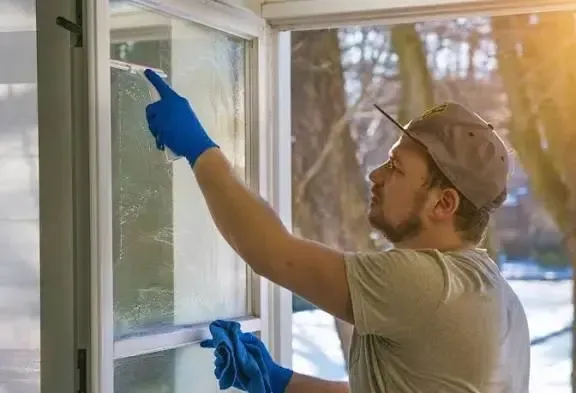
Most people don't have a window cleaning schedule — they have a window cleaning reaction. Something prompts them to look at the glass, it looks bad enough to motivate action, and they clean it. The problem with this approach is that by the time a window looks dirty enough to act on, the damage being done to the glass surface has already been accumulating for far longer than the visual cue suggests. Understanding the right window cleaning frequency for your specific location and living situation replaces guesswork with a schedule that actually protects your glass rather than just responding to its deterioration.
معظم الناس ما عندهم جدول لتنظيف الشبابيك — عندهم ردة فعل لتنظيف الشبابيك. شيء بيحفزهم للنظر للزجاج، يبدو سيئاً بما يكفي لتحفيز التصرف، وبينظفوه. المشكلة بهيدا النهج هي إنه بوقت ما الشباك يبدو وسخاً بما يكفي للتصرف، الضرر اللي عم يُعمل بسطح الزجاج يكون تراكم بالفعل لفترة أطول بكتير مما المؤشر البصري يوحي. فهم تكرار window cleaning المناسب لموقعك وظروف معيشتك المحددة بيستبدل التخمين بجدول يحمي زجاجك فعلاً بدل الاستجابة لتدهوره فقط.
Why Location Is the Primary Variable
The single most important factor in determining how often your windows need professional attention isn't how clean you keep the interior of your home — it's what the exterior environment continuously deposits on the glass surface. Different locations expose windows to fundamentally different contamination profiles, and each profile has a different rate of buildup that determines how quickly damage occurs and how frequently glass cleaning is needed to prevent it.
العامل الأهم الوحيد بتحديد كم مرة شبابيكك بتحتاج اهتماماً احترافياً مش مدى نظافة داخل بيتك — هو ما البيئة الخارجية بتودعه باستمرار على سطح الزجاج. المواقع المختلفة بتعرض الشبابيك لملفات تلوث مختلفة جذرياً، وكل ملف عنده معدل تراكم مختلف بيحدد مدى سرعة حدوث الضرر وكم مرة glass cleaning مطلوب لمنعه.
Coastal environments deposit salt particles continuously on every exposed surface — glass included. Salt doesn't just sit on glass; it bonds to the surface over time and begins etching the silica structure of the glass when left unaddressed, creating permanent micro-abrasions that scatter light and produce the hazy, diffused appearance that no amount of wiping will reverse once it's established. For homes within two to three kilometers of the sea, window cleaning every four to six weeks during summer — when sea breezes are strongest — and every six to eight weeks through the cooler months is the realistic minimum for preventing salt-related glass damage.
البيئات الساحلية بتودع جزيئات ملح باستمرار على كل سطح مكشوف — بما فيه الزجاج. الملح مش بس بيقعد على الزجاج؛ بيترابط مع السطح بمرور الوقت وبيبدأ بحفر البنية السيليكونية للزجاج إذا ترك بدون معالجة، مما يخلق تآكلات مجهرية دائمة بتبعثر الضوء وبتنتج المظهر الضبابي المشتت اللي لا يمكن عكسه بأي قدر من المسح بمجرد تأسيسه. للبيوت على بعد كيلومترين لثلاثة من البحر، window cleaning كل أربعة لستة أسابيع خلال الصيف — حين تكون النسائم البحرية أقوى — وكل ستة لثمانية أسابيع خلال الأشهر الأبرد هو الحد الأدنى الواقعي لمنع الضرر الزجاجي المرتبط بالملح.
Urban and Traffic-Exposed Locations
Windows facing busy roads or in densely built urban environments accumulate a different contamination profile: vehicle exhaust particulates, road dust, and the oily film that diesel and petrol combustion produces. Unlike salt, which tends to produce discrete deposits, traffic pollution creates a diffuse film that covers the entire glass surface evenly — making it harder to notice until the glass has become significantly hazier than its clean state, by which point the film has already bonded to the surface through repeated heating and cooling cycles.
الشبابيك المواجهة للطرق المزدحمة أو بالبيئات الحضرية المبنية بكثافة بتتراكم ملف تلوث مختلف: جزيئات عوادم السيارات وغبار الطريق والغشاء الدهني اللي احتراق الديزل والبنزين بيولده. على عكس الملح، اللي بيميل لإنتاج رواسب منفصلة، تلوث حركة المرور بيخلق غشاءً منتشراً بيغطي كامل سطح الزجاج بالتساوي — مما بيجعله أصعب ملاحظة لحد ما يصبح الزجاج أكثر ضبابية بشكل ملحوظ من حالته النظيفة، بهيكل الوقت الغشاء يكون ارتبط بالسطح بالفعل من خلال دورات التسخين والتبريد المتكررة.
For urban windows with significant traffic exposure, professional glass cleaning every six to eight weeks prevents the film from bonding and keeps the glass in a condition where it can be cleaned effectively rather than requiring progressively more intensive treatment. For windows on quieter streets in urban environments, every eight to ten weeks is a workable schedule that keeps the film from reaching the bonded stage.
للشبابيك الحضرية ذات التعرض الكبير لحركة المرور، glass cleaning الاحترافي كل ستة لثمانية أسابيع بيمنع الغشاء من الارتباط ويبقي الزجاج بحالة يمكن تنظيفها بفعالية بدل الحاجة لمعالجة أكثر كثافة تدريجياً. للشبابيك على الشوارع الأهدأ بالبيئات الحضرية، كل ثمانية لعشرة أسابيع هو جدول قابل للتطبيق يبقي الغشاء من الوصول للمرحلة المترابطة.
Construction-Adjacent Properties
Properties near active construction sites face one of the most aggressive window contamination profiles: fine construction dust — cement particles, silica, plaster, and sand — that is significantly more abrasive than ordinary environmental dust. When construction dust settles on glass and is then rained on or contacted with moisture, it can form a hard, calcified layer on the glass surface that requires descaling treatment rather than standard window cleaning to remove. Properties near construction sites should consider professional cleaning every four to six weeks during active construction phases — not because of appearance, but because allowing construction dust to calcify on glass can cause permanent surface damage that descaling alone may not fully reverse.
العقارات القريبة من مواقع البناء النشطة بتواجه من أكتر ملفات تلوث الشبابيك عدوانية: غبار البناء الناعم — جزيئات أسمنت وسيليكا وجص ورمل — الأكتر تآكلاً بكتير من الغبار البيئي العادي. لما غبار البناء يستقر على الزجاج ثم يتعرض للمطر أو يلامس الرطوبة، ممكن يشكل طبقة صلبة متكلسة على سطح الزجاج بتحتاج معالجة إزالة الكلس بدل window cleaning العادية لإزالتها. العقارات القريبة من مواقع البناء لازم تفكر بالتنظيف الاحترافي كل أربعة لستة أسابيع خلال مراحل البناء النشطة — مش بسبب المظهر، بل لأن السماح لغبار البناء بالتكلس على الزجاج ممكن يسبب ضرراً دائماً للسطح إزالة الكلس وحدها ممكن ما تعكسه بالكامل.
High-Floor Apartments and Villas With Gardens
Windows on higher floors might seem like they'd accumulate less contamination since they're further from ground-level pollution sources — and to some extent this is true for traffic and construction dust. However, high-floor windows are more directly exposed to prevailing winds, which means airborne salt, pollen, and fine particulates reach them in higher concentrations than lower floors. The absence of building shade on higher floors also means more direct sun exposure, which accelerates the bonding of deposits to the glass surface and makes longer cleaning intervals more damaging rather than less.
الشبابيك بالطوابق العالية ممكن تبدو كأنها ستتراكم تلوثاً أقل بما أنها أبعد من مصادر التلوث على مستوى الأرض — وهيدا صحيح لحد ما بالنسبة لحركة المرور وغبار البناء. بس شبابيك الطوابق العالية مكشوفة بشكل أكبر للرياح السائدة، مما معناه إنه الملح المحمول بالهواء وحبوب اللقاح والجزيئات الدقيقة بتصلها بتركيزات أعلى من الطوابق الأدنى. غياب ظل المبنى على الطوابق العالية أيضاً معناه تعرض أكبر للشمس المباشرة، مما بيسرع ارتباط الرواسب بسطح الزجاج ويجعل فترات التنظيف الأطول أكثر ضرراً بدل أقل.
For villas with gardens, irrigation systems are a significant additional factor: water spray from irrigation that contacts window glass leaves mineral deposits as it dries — and garden-adjacent windows typically accumulate hard water spotting at a rate that requires professional glass cleaning every six to eight weeks regardless of other environmental factors.
لفلل ذات حدائق، أنظمة الري هي عامل إضافي مهم: رذاذ الماء من الري اللي بيلمس زجاج الشبابيك يترك رواسب معدنية لما يجف — وشبابيك المجاورة للحدائق عادةً بتتراكم فيها بقع ماء صلب بمعدل يتطلب glass cleaning احترافي كل ستة لثمانية أسابيع بغض النظر عن عوامل بيئية أخرى.
The Indoor Side: Often Forgotten, Always Relevant
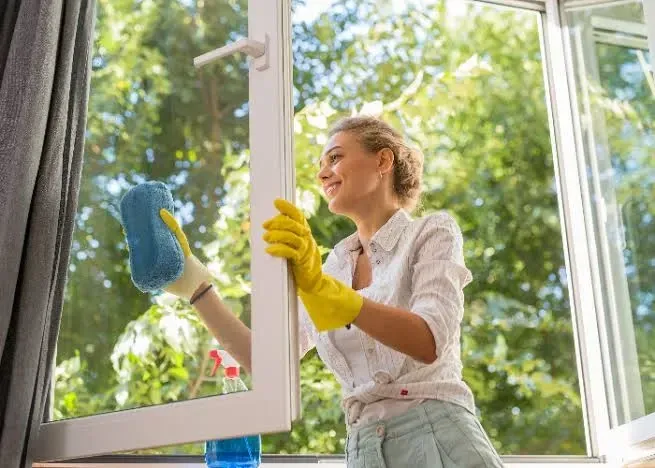
Window cleaning frequency discussions typically focus on exterior glass — and for good reason, since exterior contamination accumulates faster and causes more damage. But interior glass surfaces accumulate their own contamination profile: cooking vapor residue in kitchen-facing windows, fingerprints and hand contact on all window glass at accessible heights, and in bathrooms, soap vapor and moisture. Interior surfaces require professional attention on the same schedule as exterior surfaces for a complete result — cleaning only the exterior while leaving interior contamination untreated produces a window that's half clean at best.
مناقشات تكرار تنظيف الشبابيك عادةً بتركز على الزجاج الخارجي — ولسبب وجيه، بما إنه التلوث الخارجي يتراكم أسرع ويسبب ضرراً أكبر. بس أسطح الزجاج الداخلية بتتراكم ملف تلوثها الخاص: بقايا بخار الطبخ بالشبابيك المواجهة للمطبخ، وبصمات أصابع وتلامس يد على كل زجاج شبابيك بالارتفاعات المتاحة، وبالحمامات، بخار الصابون والرطوبة. الأسطح الداخلية بتحتاج اهتماماً احترافياً بنفس جدول الأسطح الخارجية لنتيجة كاملة — تنظيف الخارج فقط مع ترك التلوث الداخلي بدون معالجة بينتج شباكاً نظيفاً نصفه في أفضل الأحوال.
The Cost of Cleaning Less Often Than You Should
The relationship between window cleaning frequency and glass longevity is direct and financial. Glass that is maintained on a proper schedule — cleaned before deposits bond and calcify — requires straightforward cleaning at each visit. Glass that has been under-maintained requires descaling, sometimes mechanical intervention, and in cases of significant etching from salt or mineral deposits, may have sustained permanent damage that no cleaning process can fully reverse. The progressive cost of deferred cleaning is always higher than the cost of consistent maintenance — and the glass degradation that results is sometimes irreversible.
العلاقة بين تكرار window cleaning وطول عمر الزجاج مباشرة ومالية. الزجاج اللي يُحافَظ عليه بجدول مناسب — مُنظَّف قبل ارتباط الرواسب وتكلسها — يحتاج تنظيفاً مباشراً في كل زيارة. الزجاج اللي كان أقل من المطلوب صيانته يحتاج إزالة كلس، وأحياناً تدخلاً ميكانيكياً، وبحالات الحفر الكبير من الملح أو الرواسب المعدنية، ممكن يكون تعرض لضرر دائم لا يمكن لأي عملية تنظيف عكسه بالكامل. التكلفة التدريجية للتنظيف المؤجل دايماً أعلى من تكلفة الصيانة المتسقة — والتدهور الزجاجي اللي ينتج أحياناً لا رجعة فيه.
📞 Book your professional window cleaning service today — protect your glass before the damage becomes permanent.