
Why Clean Surfaces Get Dirty Faster Without Protection
From Elimination to Prevention: Why Protection Matters After Cleaning
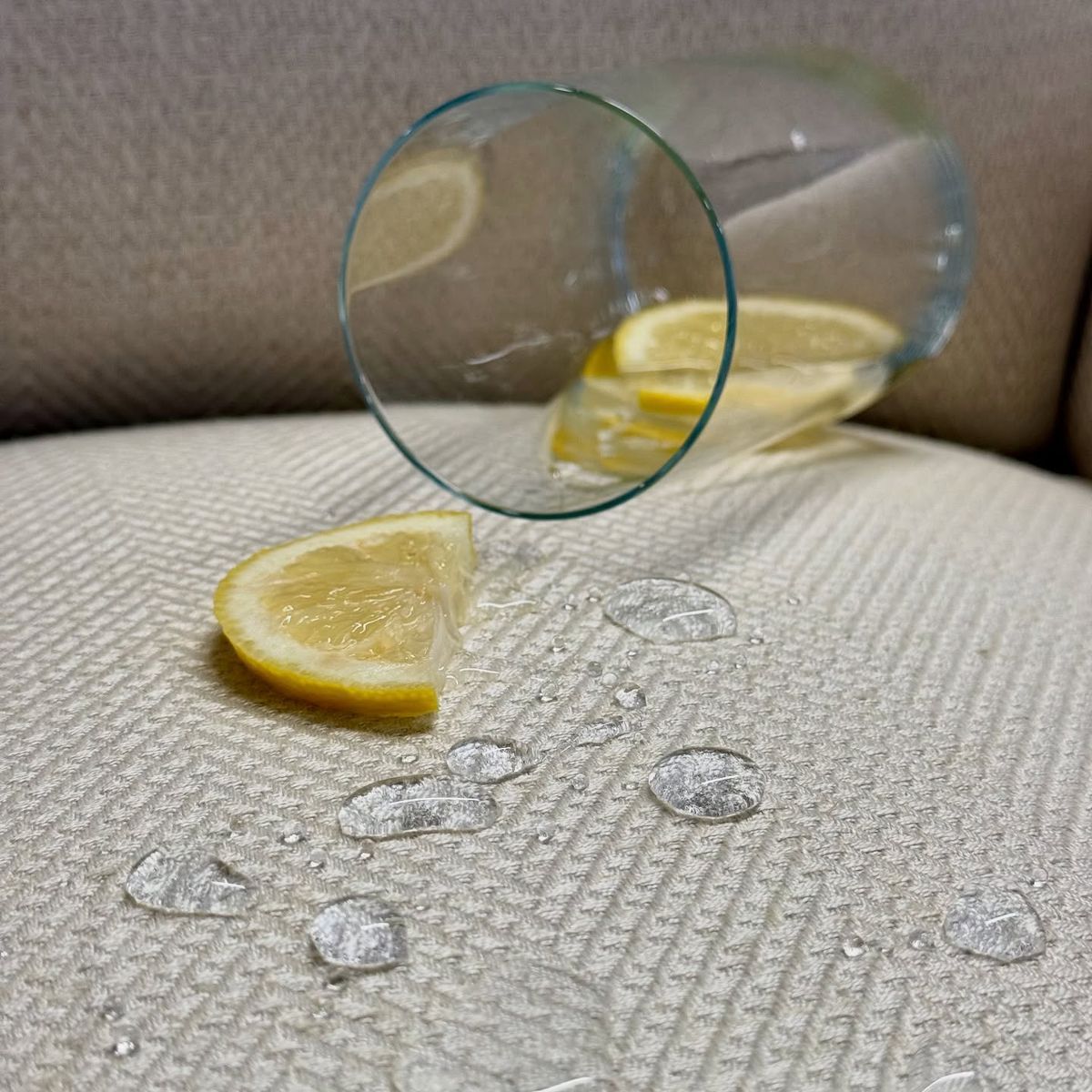
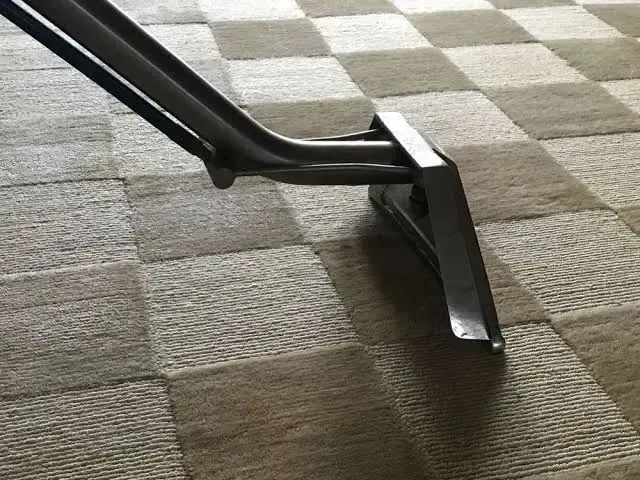
Many people notice the same frustrating pattern: a surface looks perfectly clean, but within days it appears dull, stained, or dirty again. This happens not because cleaning failed—but because cleaning alone does not protect surfaces. Without proper protection, surfaces immediately begin attracting dirt, moisture, and bacteria all over again.
This is where nano protection and fabric protection make a real difference.
1. Clean Surfaces Are More Vulnerable Than You Think
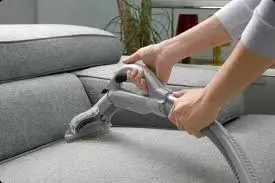
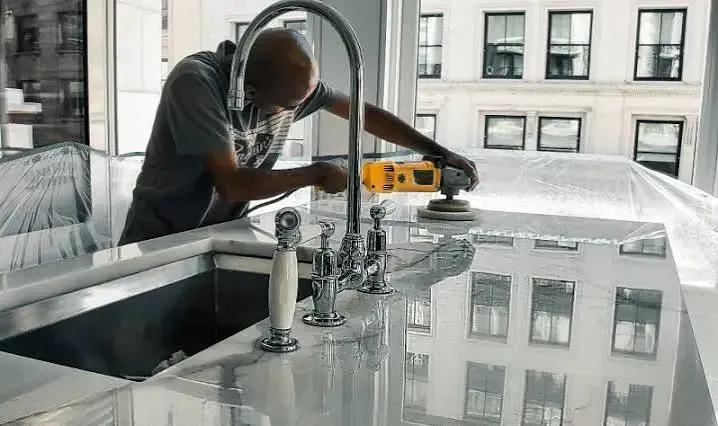
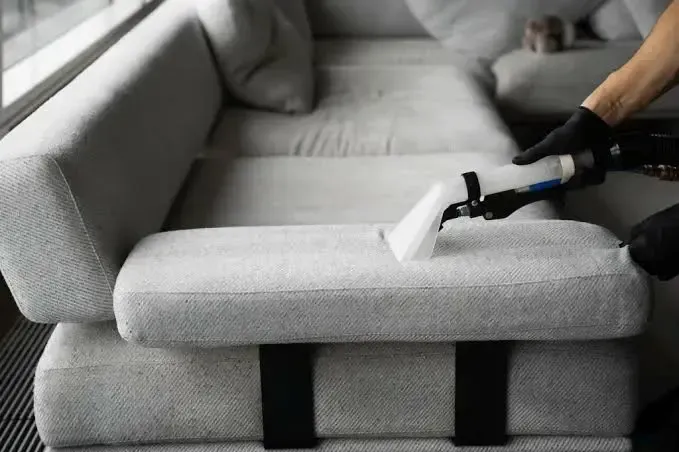
After cleaning, surfaces are left exposed at a microscopic level. Open pores in fabrics, carpets, stone, and upholstery act like magnets for dust, oils, and spills. Without protection, contaminants settle quickly, making surfaces look dirty much faster than expected.
Proper nano protection seals these microscopic openings, reducing how easily dirt can reattach.
2. Dirt Bonds Faster Without a Protective Layer
Unprotected surfaces allow dirt and moisture to bond directly to fibers and materials. Once this happens, regular cleaning becomes less effective and stains become harder to eliminate.
Nano protection and fabric protection create a barrier that supports prevention by limiting absorption and making elimination of dirt easier during routine cleaning.
3. Moisture Is the Hidden Problem
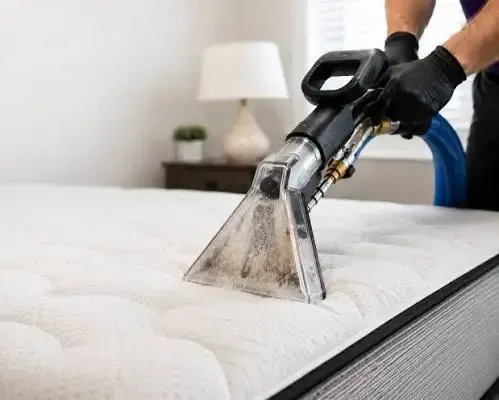
Moisture from humidity, spills, or everyday use accelerates re-soiling. It allows bacteria and odors to develop, especially in carpets and fabrics. Without protection, moisture penetrates deeply and stays trapped.
Nano protection helps repel liquids, supporting long-term prevention of odors, bacteria growth, and surface deterioration.
4. Over-Cleaning Causes Long-Term Damage
When surfaces get dirty quickly, people clean them more often—and more aggressively. Over time, this leads to fiber wear, fading, and material damage.
Protective treatments reduce the need for frequent deep cleaning, preserving surfaces and supporting long-term care and durability.
5. Protection Turns Cleaning into Prevention
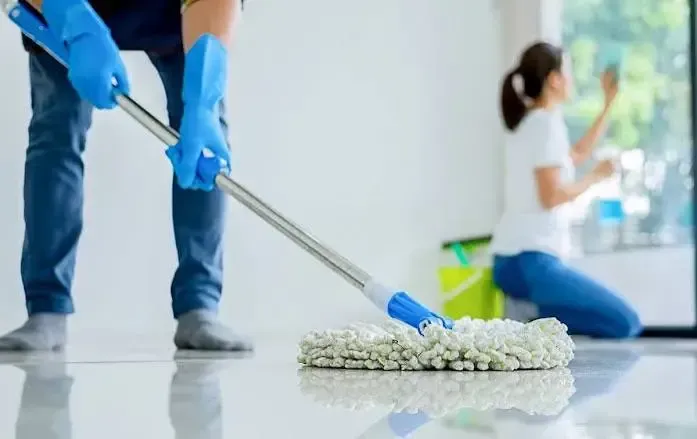
Cleaning focuses on elimination of existing dirt. Protection focuses on preventing future contamination. When combined, professional cleaning followed by nano protection delivers a complete care solution.
This approach keeps surfaces cleaner for longer, improves hygiene, and extends the life of carpets, fabrics, and other treated materials.
Conclusion: Clean Is Temporary—Protection Makes It Last
Without protection, clean surfaces are only clean for a short time. Nano protection and fabric protection transform cleaning from a short-term fix into a long-term solution by focusing on prevention, easier elimination, and lasting results.
Protect Your Surfaces the Smart Way
📞
Contacts:
Armtech Group S.A.R.L
03-629960 | 70-629960
🌍www.armtechgroup.com
✉️
info@armtechgroup.com
#NanoProtection #FabricProtection #SurfaceCare #Prevention #Elimination #LongTermProtection #ProfessionalCleaning #HealthySpaces #LebanonCleaning #ExpertCare