
Mattress Cleaning for Allergy and Asthma Sufferers: Why Steam Is the Gold Standard
The Evidence Behind the Method That Actually Makes a Difference for Respiratory Health
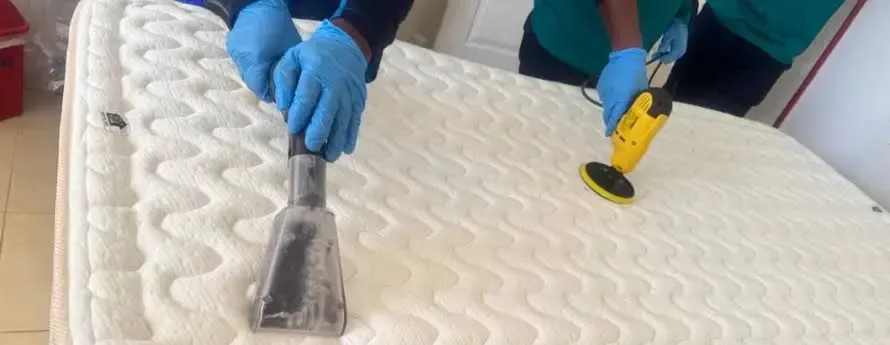
For someone who wakes up every morning with a congested nose, itchy eyes, or a tight chest — and whose symptoms improve within an hour of leaving the bedroom — the mattress is the most likely culprit. It's the surface with the highest sustained allergen exposure in the home, the one in closest contact with the body for the longest continuous period, and the one that receives the least professional cleaning attention of almost any surface in the house. For allergy and asthma sufferers, professional mattress cleaning isn't a comfort choice — it's a medical one.
لشخص بيصحى كل صبح بأنف مزكوم أو عيون حاكّة أو صدر ضيق — وأعراضه بتتحسن خلال ساعة من مغادرة غرفة النوم — الفرشة هي المشتبه الأول. هي السطح ذو أعلى تعرض مستمر للحساسيات بالبيت، والأكتر ملامسة للجسم للفترة المتواصلة الأطول، والأقل تنظيفاً احترافياً من تقريباً أي سطح آخر بالبيت. لمرضى الحساسية والربو، mattress cleaning الاحترافي مش خيار راحة — هو خيار طبي.
What's Inside a Mattress That Triggers Symptoms
Understanding why steam is the correct treatment for allergy and asthma sufferers starts with understanding what's actually inside a mattress that causes the problem. Dust mites are the primary biological trigger — microscopic arachnids that feed on shed human skin cells and colonize the inner layers of mattresses, pillows, and upholstered furniture. It's not the mites themselves that trigger immune responses, but their waste particles and shed body fragments, which contain a protein called Der p 1 that is among the most potent known triggers for both allergic rhinitis and asthma.
فهم ليش البخار هو المعالجة الصحيحة لمرضى الحساسية والربو بيبدأ بفهم ما هو فعلاً جوّا الفرشة اللي بيسبب المشكلة. عث الغبار هو المحفز البيولوجي الأساسي — عنكبوتيات مجهرية بتتغذى على خلايا الجلد البشري المتساقطة وبتستعمر الطبقات الداخلية للفرشات والوسادات والكنب المنجد. مش العث نفسه اللي بيحفز استجابات المناعة، بل جزيئات فضلاته وأجزاء جسمه المتساقطة، اللي بتحتوي بروتيناً اسمه Der p 1 هو من أقوى المحفزات المعروفة لكلٍّ من التهاب الأنف التحسسي والربو.
A used mattress in normal household conditions can contain between 100,000 and 10 million dust mites. This isn't a hygiene failure — it's a consequence of the biological conditions every mattress provides: warmth, darkness, moisture from breathing and perspiration, and an unlimited food supply from skin cell shedding. Without active intervention, the population grows continuously. For allergy sufferers sleeping on such a mattress, every night involves eight hours of direct exposure to concentrated allergen levels — which explains why bedroom symptoms are typically worse than symptoms in other rooms of the same house.
فرشة مستخدمة في ظروف منزلية عادية ممكن تحتوي بين 100,000 و10 مليون عثة غبار. هيدا مش فشل نظافة — هو نتيجة الظروف البيولوجية اللي كل فرشة بتوفرها: دفء وظلام ورطوبة من التنفس والتعرق ومصدر غذاء لا محدود من تساقط خلايا الجلد. بدون تدخل نشط، الأعداد بتنمو باستمرار. لمرضى الحساسية النايمين على فرشة كهيدي، كل ليلة بتشمل ثماني ساعات من التعرض المباشر لمستويات حساسية مركزة — وهيدا بيشرح ليش أعراض غرفة النوم عادةً أسوأ من الأعراض بالغرف الأخرى بنفس البيت.
Why Regular Cleaning Doesn't Solve It
The most common responses to mattress allergen concerns — mattress protectors, regular vacuuming, washing bed linen frequently — all reduce surface exposure to some degree. None of them address the population living in the inner layers of the mattress where allergens actually accumulate. Mattress protectors prevent new skin cells from reaching the foam below, but they don't eliminate the existing population already established inside. Vacuuming removes surface debris but cannot generate the suction needed to extract mites and allergen particles from inside foam and fiber layers. Washing linen at high temperatures addresses the linen itself but leaves the mattress underneath completely untreated.
الاستجابات الأكتر شيوعاً لمخاوف حساسيات الفرشة — أغطية الفرشة والمكنسة المنتظمة وغسيل الشراشف بتكرار — كلها بتقلل التعرض السطحي لدرجة ما. ولا واحدة منها بتعالج الأعداد الحية بالطبقات الداخلية للفرشة حيث الحساسيات بتتراكم فعلاً. أغطية الفرشة بتمنع خلايا الجلد الجديدة من الوصول للإسفنج تحتها، بس ما بتقضي على الأعداد الموجودة المتأسسة بالداخل. المكنسة بتشيل الحطام السطحي بس ما بتقدر تولد الشفط اللازم لاستخراج العث وجزيئات الحساسيات من داخل طبقات الإسفنج والألياف. غسيل الشراشف بحرارات عالية بيعالج الشراشف نفسها بس بيترك الفرشة تحتها بدون معالجة كلياً.
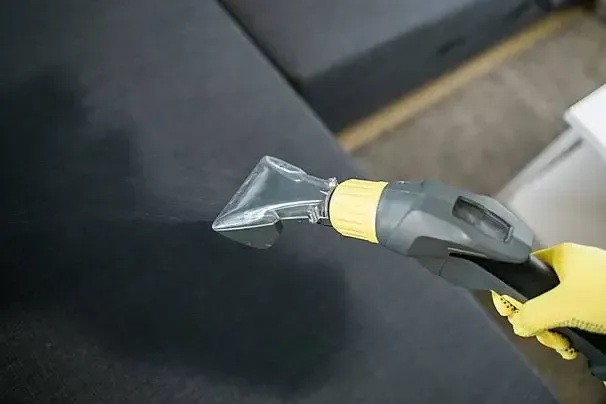
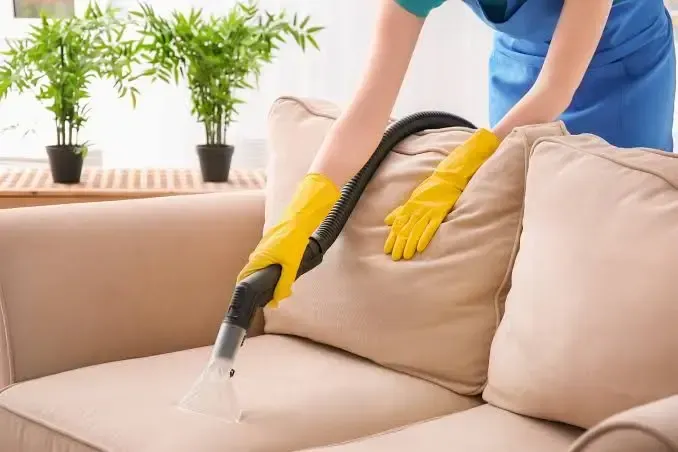
This is the structural gap that professional steam mattress cleaning closes. High-temperature steam penetrates through the fabric cover into the comfort layers and upper foam of the mattress, reaching the depth where mite colonies actually live. At temperatures above 55°C — which professional steam equipment exceeds by a considerable margin — dust mites die on contact. The simultaneous extraction process then physically removes the dead mites, their allergen-containing waste particles, and the debris that has accumulated in the inner layers, reducing the total allergen load in the mattress to a level that the immune system of even sensitive individuals can tolerate during sleep.
هيدي هي الفجوة الهيكلية اللي mattress cleaning الاحترافي بالبخار بيغلقها. البخار عالي الحرارة بيخترق من خلال غطاء القماش للطبقات المريحة والإسفنج العلوي للفرشة، بيوصل للعمق حيث مستعمرات العث بتعيش فعلاً. بدرجات حرارة فوق 55°C — اللي معدات البخار الاحترافية بتتخطاها بهامش كبير — عث الغبار بيموت فور التلامس. عملية الاستخراج المتزامنة بعدين بتشيل فيزيائياً العث الميت وجزيئات فضلاته المحتوية على الحساسيات والحطام المتراكم بالطبقات الداخلية، وبتخفض الحمل الكلي للحساسيات بالفرشة لمستوى جهاز مناعة حتى الأفراد الحساسين بيقدر يتحمله خلال النوم.
Before and After: Real Household Scenarios
Consider a child diagnosed with mild persistent asthma whose symptoms had been managed with daily inhaler use for over a year. The bedroom had been kept clean, the linen changed weekly, and a mattress protector had been in place since the diagnosis. Despite this, morning symptoms remained consistent — tight chest, coughing on waking, and frequent nighttime disturbance. After a professional steam mattress cleaning session addressing both the child's mattress and the parents' mattress in the same room, the parents reported a measurable reduction in the frequency of morning symptoms within two weeks, and the child's inhaler use decreased during the month that followed. The environmental allergen load, not the medical management, had been the unaddressed variable.
فكر بطفل مشخّص بربو خفيف مستمر أعراضه كانت تُدار باستخدام بخاخ يومي لأكتر من سنة. غرفة النوم كانت محافظاً على نظافتها والشراشف متغيرة أسبوعياً وغطاء فرشة موضوع منذ التشخيص. رغم هيدا، الأعراض الصباحية بقيت متسقة — صدر ضيق وسعال عند الصحيان واضطراب ليلي متكرر. بعد جلسة mattress cleaning احترافية بالبخار بتعالج كلاً من فرشة الطفل وفرشة الأهل بنفس الغرفة، الأهل أبلغوا عن تخفيض قابل للقياس بتكرار الأعراض الصباحية خلال أسبوعين، واستخدام الطفل للبخاخ انخفض خلال الشهر اللي تلا. الحمل البيئي للحساسيات، مش الإدارة الطبية، كان المتغير غير المعالج.
A second scenario involves an adult with allergic rhinitis who had been attributing persistent morning congestion and sneezing to year-round environmental allergies — assuming it was outdoor pollen and pollution rather than a bedroom-specific issue. After a professional mattress cleaning session combined with pillow replacement, the morning symptom pattern changed significantly within weeks: outdoor exposure still triggered reactions, but the consistent, severe morning symptoms that had been present regardless of outdoor conditions subsided. The mattress had been functioning as a concentrated allergen exposure environment every night, compounding whatever outdoor sensitivity the person already had.
سيناريو ثانٍ بيشمل بالغاً عنده التهاب أنف تحسسي كان عم يعزو احتقان الصبح المستمر والعطاس لحساسيات بيئية على مدار السنة — مفترضاً إنه من حبوب اللقاح الخارجية والتلوث بدل مشكلة خاصة بغرفة النوم. بعد جلسة mattress cleaning احترافية مع استبدال الوسادات، نمط أعراض الصبح تغير بشكل ملحوظ خلال أسابيع: التعرض الخارجي لا يزال بيحفز تفاعلات، بس الأعراض الصباحية المتسقة والحادة اللي كانت موجودة بغض النظر عن الظروف الخارجية خفّت. الفرشة كانت عم تعمل كبيئة تعرض للحساسيات مركزة كل ليلة، وعم تضاعف أي حساسية خارجية الشخص عنده بالفعل.
The Frequency That Makes the Difference
For allergy and asthma sufferers, the recommended mattress cleaning frequency is higher than the general household baseline. Where most homes benefit from professional steam treatment once or twice a year, individuals with diagnosed respiratory allergies or asthma should aim for every 3 to 4 months — with the mattresses of children with asthma cleaned every 3 months as a minimum. This frequency prevents the population from rebuilding to symptomatic levels between sessions, maintaining the low-allergen sleeping environment that allows the immune and respiratory system to recover during sleep rather than being continuously challenged by it.
لمرضى الحساسية والربو، تكرار mattress cleaning الموصى به أعلى من المستوى الأساسي للبيت العادي. بينما معظم البيوت بتستفيد من المعالجة الاحترافية بالبخار مرة لمرتين بالسنة، الأفراد المشخصين بحساسيات تنفسية أو ربو لازم يستهدفوا كل 3 لـ 4 أشهر — مع تنظيف فرشات الأطفال المصابين بالربو كل 3 أشهر كحد أدنى. هيدا التكرار بيمنع الأعداد من إعادة البناء لمستويات عرضية بين الجلسات، وبيحافظ على بيئة نوم منخفضة الحساسيات بتسمح للجهاز المناعي والتنفسي بالتعافي خلال النوم بدل التحدي المستمر له.
Between professional sessions, pillow protectors and mattress encasements — not just toppers — that are allergen-proof provide the most effective supplementary barrier. Combined with weekly washing of all bed linen at 60°C or above, and ensuring bedroom ventilation reduces humidity levels, these habits maintain the results of each professional treatment for longer.
بين الجلسات الاحترافية، أغطية الوسادات وأغطية الفرشة المحكمة — مش بس الأغطية العلوية — المضادة للحساسيات بتوفر أكتر حاجز تكميلي فعال. مع الغسيل الأسبوعي لكل شراشف السرير على 60°C أو أعلى، وضمان إنه تهوية غرفة النوم بتخفض مستويات الرطوبة، هالعادات بتحافظ على نتائج كل معالجة احترافية لفترة أطول.
Steam Is the Standard — For Good Reason
For allergy and asthma sufferers, the choice of mattress cleaning method isn't a preference — it's a clinical consideration. Chemical-based cleaning methods leave residues that can themselves trigger respiratory reactions in sensitive individuals, defeating the purpose of the clean. Dry methods don't reach the depth where allergens live. Steam cleaning alone combines the penetration depth, the thermal kill mechanism, the chemical-free process, and the extraction capability that together make it the only method genuinely suited to the health needs of people whose airways are affected by what's inside their mattress every night.
لمرضى الحساسية والربو، اختيار طريقة mattress cleaning مش تفضيل — هو اعتبار سريري. طرق التنظيف القائمة على الكيماويات بتترك بقايا ممكن هي نفسها تحفز تفاعلات تنفسية عند الأفراد الحساسين، وبتهزم الغرض من التنظيف. الطرق الجافة ما بتوصل للعمق حيث الحساسيات بتعيش. تنظيف البخار وحده بيجمع عمق الاختراق وآلية القتل الحراري والعملية الخالية من الكيماويات وقدرة الاستخراج اللي مجتمعةً بتجعله الطريقة الوحيدة المناسبة فعلاً لاحتياجات صحة الأشخاص اللي مجاريهم الهوائية بتتأثر بما جوّا فرشتهم كل ليلة.
📞 Book your professional mattress cleaning session today — give your respiratory system the overnight break it deserves.