
Steam Cleaning vs. Dry Cleaning vs. Shampooing: Which Carpet Cleaning Method Is Best for Your Home?
A Clear Breakdown of the Three Main Methods — And How to Choose the Right One
If you've ever tried to book a professional carpet cleaning service and found yourself confused by the different methods on offer, you're not alone. Steam cleaning, dry cleaning, and carpet shampooing are three distinct approaches, each with genuine advantages and real limitations. Understanding what separates them is what allows you to make the right choice for your specific carpet, household, and situation — rather than just accepting whatever the first company you call happens to offer.
إذا حاولت يوماً تحجز خدمة carpet cleaning احترافية ولقيت حالك محتار بالطرق المختلفة المعروضة، ما أنت الوحيد. تنظيف البخار والتنظيف الجاف وشامبو السجاد هي ثلاثة مناهج مختلفة، كل واحدة عندها مزايا حقيقية وقيود حقيقية. فهم ما بيفرقهم هو اللي بيخليك تتخذ القرار الصحيح لسجادتك المحددة وبيتك وحالتك — بدل مجرد قبول ما الشركة الأولى اللي بتتصل فيها بتقدمه.
Method One: Steam Cleaning (Hot Water Extraction)
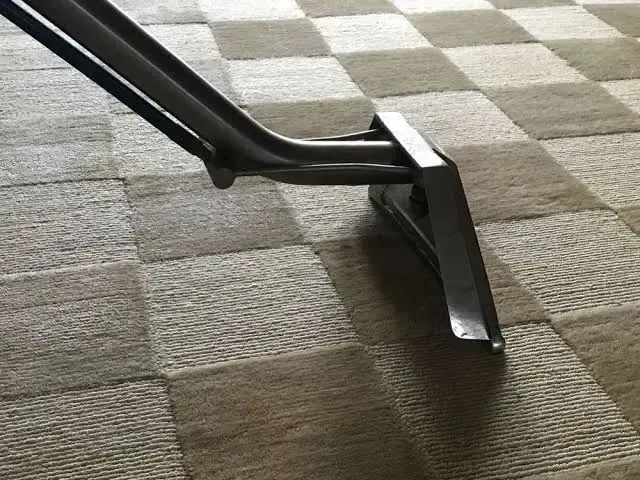
Steam cleaning — more accurately called hot water extraction — is the most widely recommended method for residential carpet cleaning and the one most professional carpet cleaning companies use as their primary approach. The process involves injecting hot water mixed with a cleaning solution deep into the carpet fibers under pressure, then extracting it immediately along with the loosened dirt, allergens, dust mites, and bacteria that the water has dislodged from the pile.
تنظيف البخار — المسمى بدقة أكبر استخراج الماء الساخن — هو الطريقة الأكتر توصية للـcarpet cleaning السكني والأكتر استخداماً كنهج أساسي من شركات تنظيف السجاد الاحترافية. العملية بتشمل حقن ماء ساخن مخلوط بمحلول تنظيف عميق بألياف السجاد تحت ضغط، وبعدين استخراجه فوراً مع الوسخ المفكك والحساسيات وعث الغبار والبكتيريا اللي الماء فككها من النسيج.
The advantages are significant. Steam cleaning reaches deeper into the carpet pile than any other method, removing what dry methods leave behind. It's highly effective against allergens and dust mites — critical for Lebanese homes where humidity accelerates allergen buildup — and it leaves no chemical residue when done correctly since the solution is extracted along with the dirt. The main limitation is drying time: carpets cleaned by hot water extraction typically need between 6 and 12 hours to dry fully, depending on airflow and humidity conditions. In Lebanon's humid climate, ensuring adequate ventilation after a steam session is important to prevent moisture from sitting in the carpet backing.
المزايا كبيرة. تنظيف البخار بيوصل أعمق لنسيج السجاد من أي طريقة ثانية، وبيشيل ما الطرق الجافة بتتركه. هو فعال جداً ضد الحساسيات وعث الغبار — أمر حيوي للبيوت اللبنانية حيث الرطوبة بتسرع تراكم الحساسيات — وما بيترك بقايا كيميائية لما يتم بشكل صحيح لأن المحلول بيتستخرج مع الوسخ. القيود الرئيسية هي وقت التجفيف: السجاد المنظف باستخراج الماء الساخن بيحتاج عادةً بين 6 و12 ساعة للجفاف الكامل، حسب تدفق الهواء وظروف الرطوبة. بمناخ لبنان الرطب، ضمان تهوية كافية بعد جلسة البخار مهم لمنع الرطوبة من القعود بقاعدة السجاد.
Method Two: Dry Cleaning (Low Moisture Compound Cleaning)
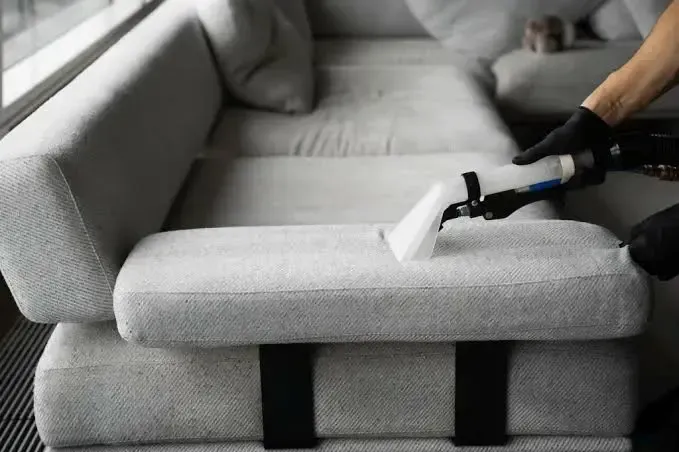
Dry carpet cleaning uses a minimal-moisture compound — typically a powder or foam — that is worked into the carpet fibers, allowed to absorb dirt and oils, and then vacuumed out. The process uses very little water, which means the carpet is ready to use almost immediately after cleaning — usually within an hour.
تنظيف السجاد الجاف بيستخدم مركباً بأقل قدر من الرطوبة — عادةً مسحوق أو رغوة — بيتم دلكه بألياف السجاد وتركه يمتص الوسخ والزيوت وبعدين شفطه. العملية بتستخدم ماء قليل جداً، يعني السجاد جاهز للاستخدام تقريباً فوراً بعد التنظيف — عادةً بساعة.
The advantage here is speed and convenience — particularly useful for commercial spaces or situations where a carpet needs to be usable again quickly. The limitation, however, is depth. Dry cleaning compounds work on the upper layers of the carpet pile and don't penetrate to the backing where allergens, dust mites, and deep-set stains actually live. For Lebanese households dealing with humidity-driven allergen buildup and dust mite infestations, dry cleaning is better understood as a maintenance top-up between deeper sessions rather than a complete solution. It keeps surface appearance fresh but doesn't address what matters most from a health perspective.
الميزة هنا هي السرعة والراحة — مفيدة بشكل خاص للمساحات التجارية أو الحالات اللي السجاد محتاج يكون قابلاً للاستخدام بسرعة. القيود، بس، هي العمق. مركبات التنظيف الجاف بتشتغل على الطبقات العلوية من نسيج السجاد وما بتخترق للقاعدة حيث الحساسيات وعث الغبار والبقع العميقة بتعيش فعلاً. للبيوت اللبنانية اللي بتتعامل مع تراكم الحساسيات الناتج عن الرطوبة وانتشار عث الغبار، التنظيف الجاف أحسن فهمه كصيانة بين الجلسات الأعمق بدل حل كامل. بيحافظ على مظهر السطح نظيفاً بس ما بيعالج الأهم من منظور صحي.
Method Three: Carpet Shampooing
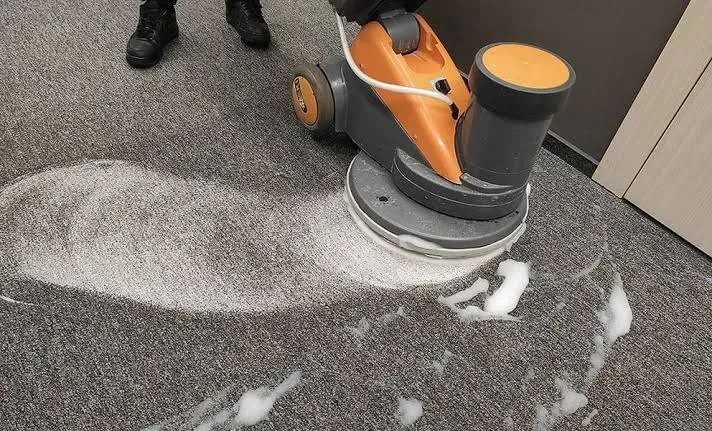
Carpet shampooing was the dominant professional carpet cleaning method before hot water extraction became widespread, and it's still offered by some services today. It involves applying a foamy shampoo solution to the carpet, agitating it with a rotary machine to work it into the fibers, and then extracting the foam and dirt through vacuuming after drying.
شامبو السجاد كان الطريقة الاحترافية السائدة لـcarpet cleaning قبل ما استخراج الماء الساخن يصير شائعاً، ولا يزال بعض الخدمات بتقدمه اليوم. بيشمل تطبيق محلول شامبو رغوي على السجاد وتحريكه بآلة دوارة ليدلكه بالألياف وبعدين استخراج الرغوة والوسخ عبر الشفط بعد الجفاف.
The issue with shampooing is residue. The foamy detergents used in this method are difficult to fully extract, and what remains in the carpet fibers after drying acts as a magnet for new dirt — meaning a shampooed carpet can look clean immediately after treatment but attract and show dirt significantly faster than it did before. In humid environments like Lebanon, residue left in carpet fibers also increases the risk of mold and bacterial growth in the backing. For these reasons, carpet shampooing has largely been superseded by hot water extraction in professional settings, and most reputable cleaning companies have moved away from it.
المشكلة مع الشامبو هي البقايا. المنظفات الرغوية المستخدمة بهيدي الطريقة صعب استخراجها بالكامل، وما بيبقى بألياف السجاد بعد الجفاف بيعمل كمغناطيس للوسخ الجديد — يعني السجاد المشمبو ممكن يبدو نظيفاً فوراً بعد المعالجة بس يجذب الوسخ ويظهره بشكل أسرع بكتير مما كان قبل. بالبيئات الرطبة متل لبنان، البقايا المتروكة بألياف السجاد بتزيد أيضاً من خطر العفن والنمو البكتيري بالقاعدة. لهيدي الأسباب، شامبو السجاد تجاوزه استخراج الماء الساخن بشكل كبير بالبيئات الاحترافية، ومعظم شركات التنظيف ذات السمعة تخلت عنه.
Which Method Should You Choose?
For most Lebanese homes — where allergen buildup, dust mites, and humidity-driven organic matter accumulation inside carpet fibers are the primary concerns — hot water extraction is the clear recommendation for deep carpet cleaning sessions. It's the only method that genuinely addresses what's inside the carpet rather than just what's on it, and it's the most effective approach for maintaining a healthy indoor environment.
لمعظم البيوت اللبنانية — حيث تراكم الحساسيات وعث الغبار والمواد العضوية الناتجة عن الرطوبة داخل ألياف السجاد هي المخاوف الأساسية — استخراج الماء الساخن هو التوصية الواضحة لجلسات carpet cleaning العميقة. هي الطريقة الوحيدة اللي بتعالج فعلاً اللي جوّا السجاد بدل بس اللي عليه، وهي الأفعل لصيانة بيئة داخلية صحية.
Dry cleaning has its place as a between-sessions maintenance option for high-traffic areas that need a surface refresh without the downtime of a full extraction session. Shampooing, for the reasons outlined above, is worth avoiding — particularly in humid climates where its residue problems are amplified.
للتنظيف الجاف مكانه كخيار صيانة بين الجلسات للمناطق الأكتر حركة اللي بتحتاج تجديداً سطحياً بدون وقت التوقف لجلسة استخراج كاملة. الشامبو، للأسباب المذكورة أعلاه، يستاهل تجنبه — خاصة بالمناخات الرطبة حيث مشاكل بقاياه بتتضخم.
📞 Book your professional carpet cleaning session today — deep clean done right, with the method that actually works.