
Cement Dust, Paint Splatter, and Construction Film on Glass — How We Remove It
Post-Construction Glass Isn't Just Dirty — It's Chemically Bonded. Here's What It Takes to Restore It.
Finishing a renovation or new build is one of the most satisfying moments in any homeowner's journey. But almost universally, it comes with the same unpleasant discovery: the windows are covered in a layer of construction residue that makes the whole space feel unfinished no matter how clean everything else is. Cement dust, paint splatter, silicone smears, adhesive film, plaster haze, and grout residue — each one bonds to glass differently, and each one requires a completely different approach to remove safely. Wiping with a cloth or spraying with a household glass cleaner won't touch most of it. In the worst cases, scrubbing without the right method scratches the glass permanently — turning a cleaning problem into a replacement problem.
إنهاء تجديد أو بناء جديد هو من أجمل اللحظات — بس كاد دايماً بتيجي مع اكتشاف مزعج: الشبابيك مغطاة بطبقة من بقايا البناء بتخلي كل شي يبين ناقص مهما كان باقيه نظيف. غبار الإسمنت ورشاش الدهان والسيليكون وأفلام اللصق وضبابية الجبصين — كل واحد بيلتصق بالزجاج بطريقة مختلفة وبيحتاج مقاربة مختلفة كلياً لإزالته بأمان. المسح بقماش أو بخاخ منزلي ما بيفيد. وبالحالات السيئة، الحك بدون الطريقة الصح بيخدش الزجاج بشكل دائم — بيحوّل مشكلة تنظيف لمشكلة استبدال.
Why cement dust is the most damaging residue on glass
Cement dust looks powdery and harmless, but once it makes contact with moisture — from rain, humidity, or even condensation — it undergoes a partial curing process directly on the glass surface. The calcium compounds in cement bond chemically with the silica in the glass, creating a crystalline layer that is no longer loose powder but a hardened deposit fused to the surface. The longer this is left untreated, the deeper the bond goes and the more difficult removal becomes. Standard window cleaning products are not formulated to dissolve cured calcium — they simply redistribute the surface powder without addressing the bonded layer. Professional glass cleaning uses pH-calibrated chemical treatments specifically designed to break this calcium bond without etching the glass surface itself.
غبار الإسمنت يبان ناعماً وغير ضار، بس لما بيلمس رطوبة — من مطر أو رطوبة هوا أو تكثيف — بيمر بعملية تصلب جزئي مباشرةً على سطح الزجاج. المركبات الكالسيومية بالإسمنت بتلتصق كيميائياً مع السيليكا بالزجاج وبتخلق طبقة بلورية مندمجة بالسطح. كل ما تركتها أطول، كل ما عمّق الالتصاق وصعّب الإزالة. منتجات window cleaning العادية ما بتذيب الكالسيوم المتصلب. glass cleaning الاحترافي بيستخدم معالجات كيميائية معيّرة pH بتكسر هاد الالتصاق بدون حفر السطح.
Paint splatter — water-based versus oil-based, and why it matters
Paint splatter on glass is one of the most common post-renovation complaints, and the approach to removing it depends entirely on what type of paint was used. Water-based paints, if caught early, can be dissolved with appropriate solvents applied with controlled pressure and the right non-abrasive tool. Oil-based paints and primers are significantly more stubborn — they cure to a hard, plastic-like film that must be carefully lifted rather than dissolved, using professional-grade scrapers at precisely the right angle to avoid dragging against the glass surface. The critical mistake most people make is using a dry blade or a standard razor at the wrong angle, which creates permanent scratches that cannot be cleaned away — only polished out through restoration-level glass cleaning. Professional window cleaning services assess the paint type first, then apply the correct removal method for each specific deposit.
رشاش الدهان على الزجاج من أكثر الشكاوى بعد التجديد، وطريقة إزالته بتعتمد كلياً على نوع الدهان. الدهانات المائية، إذا عولجت مبكراً، ممكن تذوب بمذيبات مناسبة. الدهانات الزيتية أصعب بكتير — بتتصلب كفيلم بلاستيكي صلب لازم يترفع بعناية بأدوات احترافية بالزاوية الصحيحة. الغلطة الشائعة هي استخدام شفرة جافة أو موس بزاوية خاطئة بتخلق خدوش دائمة ما بتتنظف — بس بتتصلح بـ glass cleaning كاستعادة. window cleaning services الاحترافية بتقيّم نوع الدهان أولاً ثم بتطبق الطريقة الصح.
Silicone, adhesive film, and sticker residue — the stubborn trio
Beyond cement and paint, post-construction glass regularly carries silicone smears from sealant application, residue from protective films that were left on too long, and adhesive ghost marks from labels and stickers on new glass units. Silicone is chemically inert once cured — it cannot be dissolved by most solvents and must be removed mechanically without applying lateral force that would scratch the glass. Protective film adhesive, particularly on glass that has been exposed to sun for extended periods, bonds permanently and leaves a hazy, tacky residue that attracts dust and is nearly impossible to remove cleanly without professional equipment. Each of these residue types is part of what a thorough post-construction window cleaning service addresses — not as separate jobs, but as a complete glass restoration process from first assessment to final polish.
بعيداً عن الإسمنت والدهان، الزجاج بعد البناء بيحمل عادةً لطخات سيليكون من عملية السد، وبقايا أفلام الحماية اللي تركت طويلاً، وآثار لاصق الملصقات على الزجاج الجديد. السيليكون لما يتصلب ما ينحل بمعظم المذيبات — لازم يتشال ميكانيكياً بدون قوة جانبية تخدش. لاصق فيلم الحماية خصوصاً بعد تعرض للشمس بيلتصق بشكل دائم ويخلف بقايا لزجة ضبابية تجذب الغبار وشبه مستحيل إزالتها بدون معدات احترافية. كل هاد جزء مما بيعالجه window cleaning service احترافي شامل بعد البناء.
The construction film problem — and why it gets worse with time
One of the most overlooked post-construction glass issues is what professionals call "construction film" — a composite layer of fine cement particles, plaster dust, paint mist, and pollution that settles on glass during the construction period and hardens into a semi-opaque coating over weeks and months. Unlike individual splatter marks, this film covers the entire glass surface uniformly, giving windows a dull, cloudy appearance that most people initially attribute to the glass quality itself. The longer this film is left on the glass, the more it mineralises and the harder it becomes to remove without abrading the surface. Early professional glass cleaning — ideally within the first weeks after construction ends — removes this film completely. Left for months or years, the same film requires restoration-level polishing to address, significantly increasing the time, cost, and intensity of the window cleaning process.
من أكثر مشاكل الزجاج بعد البناء إهمالاً هو ما بيسميه المحترفون "فيلم البناء" — طبقة مركّبة من جزيئات الإسمنت الدقيقة وغبار الجبصين ورذاذ الدهان والتلوث بتستقر على الزجاج خلال فترة البناء وبتتصلب لطلاء شبه معتم على مدى أسابيع وأشهر. بخلاف بقع الرش الفردية، هاد الفيلم بيغطي كامل سطح الزجاج بشكل موحد. كل ما تركته أطول، كل ما تمعدن أكثر وصعّب إزالته. glass cleaning الاحترافي المبكر — مثالياً خلال الأسابيع الأولى بعد إنهاء البناء — بيزيله بالكامل. إذا تُرك لأشهر أو سنين، بيحتاج تلميع استعادة بيرفع الوقت والتكلفة والجهد بشكل كبير.
How professional post-construction glass cleaning actually works
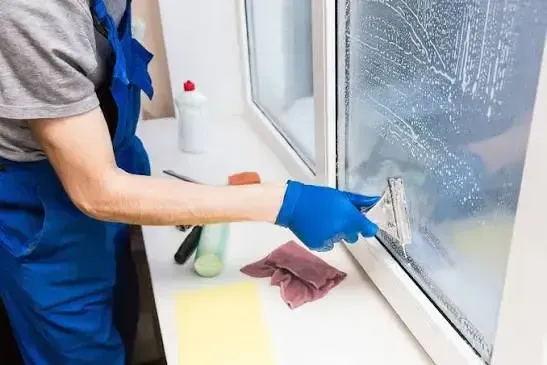
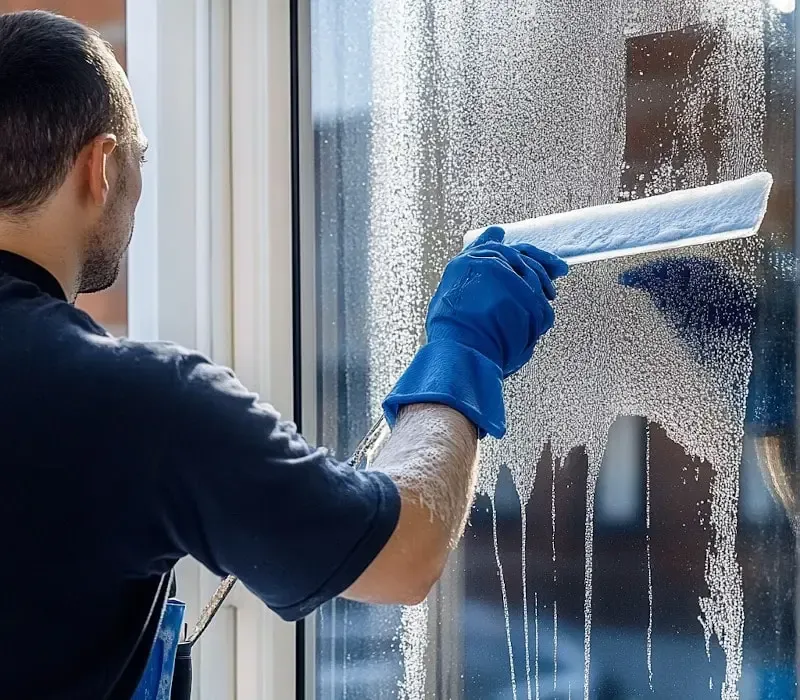
A thorough post-construction window cleaning service follows a structured sequence that treats each type of residue in the correct order, with the correct chemistry and tools. The process typically begins with a dry assessment to identify which residue types are present on each window. Chemical pre-treatments are then applied — alkaline degreasers for silicone and oil-based residue, pH-calibrated calcium dissolvers for cement and mineral deposits, and solvent agents for adhesive residue — with appropriate dwell times for each. Mechanical removal follows using professional scrapers, non-abrasive pads, and controlled pressure techniques. Finally, a full glass cleaning pass with professional squeegee technique and purified water removes all treatment residue and leaves a streak-free, optically clear surface. For glass that has already sustained scratching or etching from previous amateur cleaning attempts, restoration polishing is added as a final stage.
window cleaning service الاحترافي بعد البناء بيتبع تسلسلاً منظماً بيعالج كل نوع بقايا بالترتيب الصح مع الكيمياء والأدوات الصح. العملية بتبدأ بتقييم جاف لتحديد أنواع البقايا على كل نافذة. بعدين معالجات كيميائية مسبقة — مزيلات قلوية للسيليكون والمواد الزيتية، ومذيبات كالسيوم معيّرة للإسمنت والرواسب المعدنية، وعوامل مذيبة للاصق — مع وقت تأثير مناسب لكل نوع. بعدها إزالة ميكانيكية باستخدام كاشطات احترافية وأدوات غير خادشة. وأخيراً مسحة glass cleaning كاملة بتقنية مسّاحة احترافية وماء منقى بتزيل كل بقايا المعالجة وبتترك سطحاً خالياً من الخطوط وواضحاً بصرياً.
Timing matters: The ideal window to book post-construction glass cleaning is within the first 2–4 weeks after construction ends — before cement deposits fully mineralise, before paint cures to maximum hardness, and before the construction film layer compounds. Every week of delay makes the job harder and the risk of permanent glass damage higher.
Just finished a renovation? Don't let construction residue bond permanently to your glass. 🪟
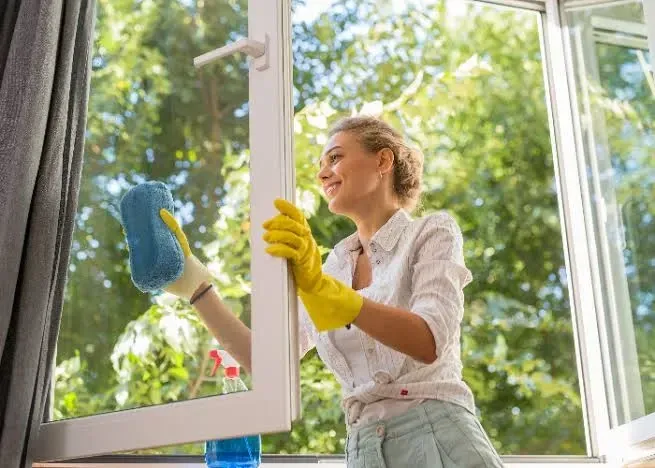
Our professional window cleaning services specialise in post-construction glass restoration — removing cement, paint, silicone, adhesive film, and construction haze from every surface safely and completely.
تنظيف زجاج احترافي بعد البناء بيزيل كل بقايا الإسمنت والدهان والسيليكون بأمان وبشكل كامل — قبل ما تتمعدن وتصير مشكلة دائمة.