
"How to Remove Red Wine, Coffee, and Grease Stains from Upholstery"
This is a subtitle for your new post
Stubborn stains on your upholstery can be a nightmare—especially when it’s red wine, coffee, or grease. Whether you're in Beirut or Lebanon, keeping your furniture clean is essential for maintaining a fresh and inviting home. In this guide, we’ll share professional cleaning tips to tackle tough stains and introduce how deep cleaning and nano protection can help preserve your upholstery for years.
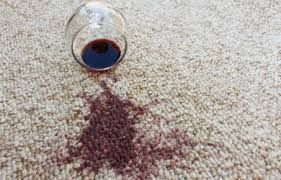
1. How to Remove Red Wine Stains from Upholstery
Red wine spills are common, but acting fast can save your furniture.
Step-by-Step Removal:
- Blot (Don’t Rub!) – Use a clean cloth to absorb excess wine.
- Apply a Cleaning Solution – Mix 1 tbsp dish soap + 1 tbsp white vinegar + 2 cups warm water.
- Gently Dab – Work from the outside in to prevent spreading.
- Rinse with Cold Water – Blot with a damp cloth.
- Dry Thoroughly – Use a fan or open windows to speed up drying.
💡 Pro Tip: For stubborn stains, sprinkle baking soda, let it sit for 15 minutes, then vacuum.
2. Removing Coffee Stains from Couches & Chairs
Coffee stains can leave ugly brown marks if not treated properly.
Best Cleaning Methods:
✔ For Fresh Stains:
- Blot immediately with a dry cloth.
- Mix 1 tsp liquid detergent + 1 cup lukewarm water, dab gently.
✔ For Dried Stains:
- Use a hydrogen peroxide solution (1:1 with water) – test on a hidden spot first!
- Rinse with a damp cloth and dry.
🚀 Bonus: Regular furniture cleaning in Beirut can prevent permanent discoloration.
3. Eliminating Grease Stains from Upholstery
Grease stains (from food, lotions, or oils) require a different approach.
Effective Solutions:
- Sprinkle Cornstarch or Baking Soda – Absorbs grease; leave for 30 mins, then vacuum.
- Apply Dish Soap Directly – Scrub gently with a soft brush, then rinse.
- Use Rubbing Alcohol (for tough stains) – Dab lightly, then blot with water.
⚠ Warning: Avoid hot water—it can set grease stains deeper!
4. Why Professional Deep Cleaning & Nano Protection in Lebanon is Worth It
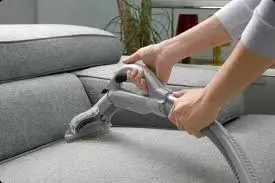
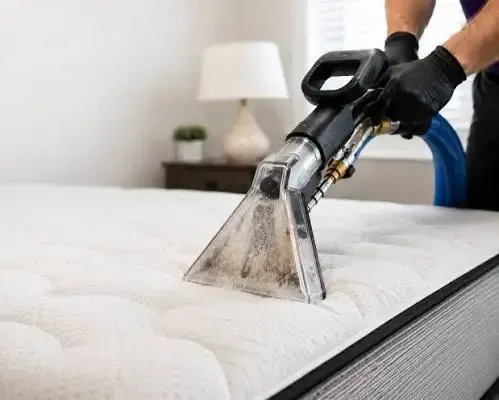
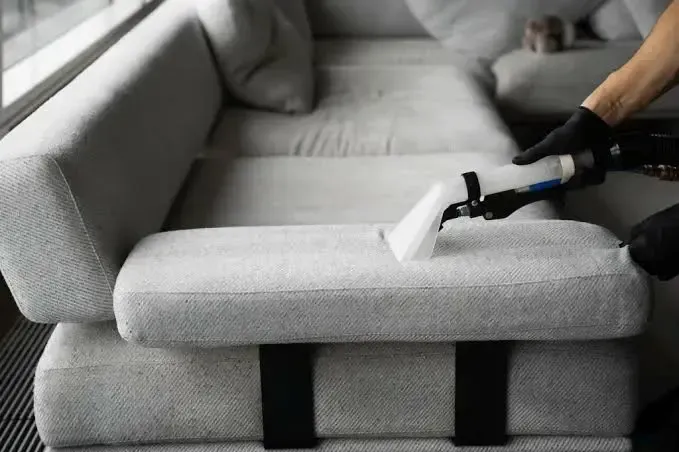
While DIY methods work for small stains, professional deep cleaning services in Beirut ensure:
✔ Complete Stain Removal – Advanced tools extract deep-set dirt.
✔ Odor Elimination – Removes hidden bacteria causing smells.
✔ Long-Lasting Protection – Nano-coating treatments repel future spills, making cleaning easier.
📞 Need Help? Book a furniture deep cleaning service in Lebanon for a spotless, fresh home!
Final Tips to Keep Upholstery Stain-Free
🔹 Act Fast – The sooner you treat a stain, the better.
🔹 Test Cleaners First – Avoid discoloration by testing on a hidden area.
🔹 Schedule Regular Deep Cleaning – Prevents buildup of dirt and stains.
🔹 Consider Nano Protection – Ideal for homes with kids or pets.
Need Expert Cleaning in Beirut?
Contact Armtech Group for professional upholstery cleaning, deep cleaning, and nano protection services in Lebanon! We make your furniture look brand new again.
📩 Call Now: 03/629960 70/629960| Website: https://www.armtechgroup.com/